
Bambang Yudi Cahyono
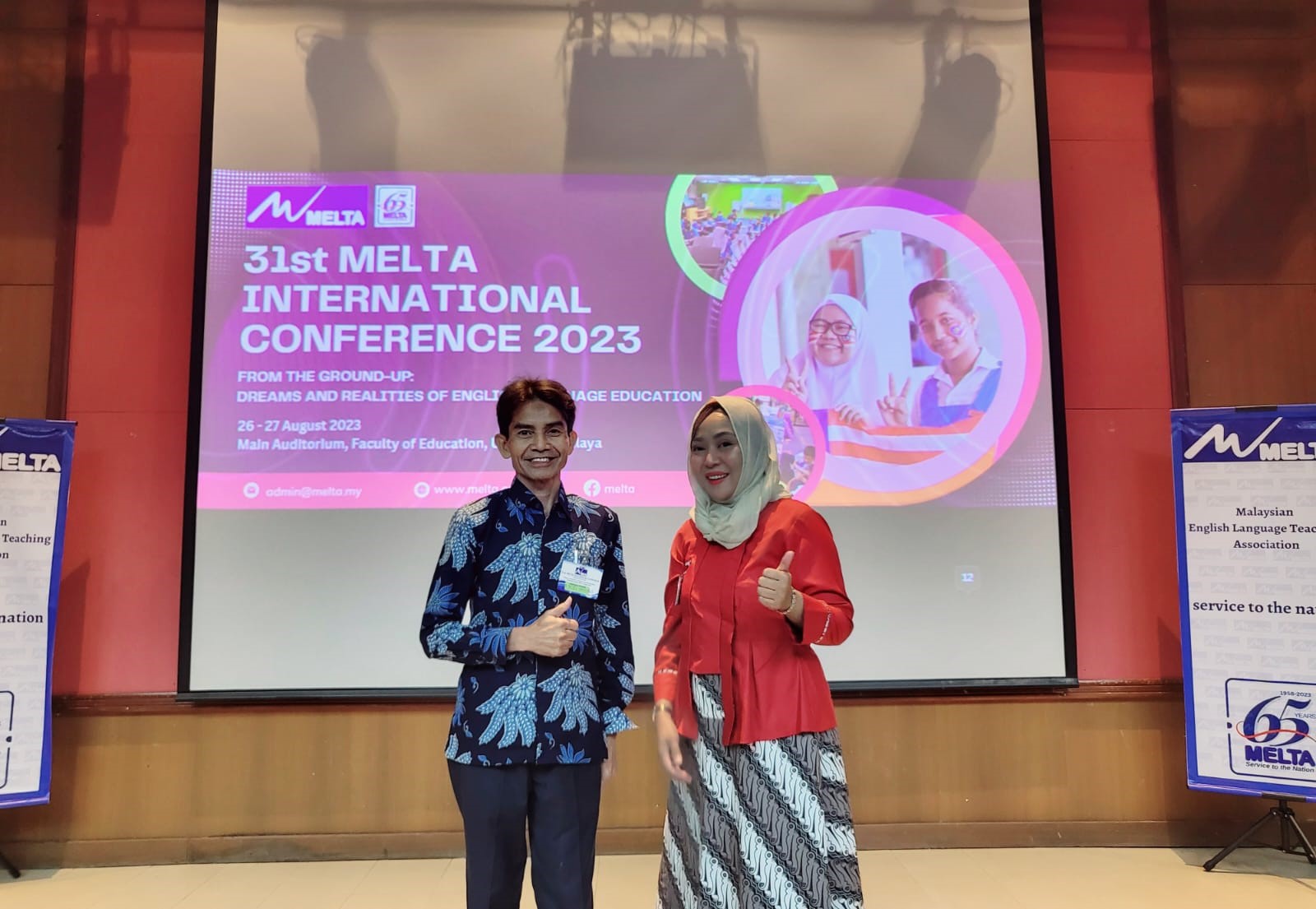
Universitas Negeri Malang (UM) is proud to announce a pioneering research project that aims to enhance English as a Foreign Language (EFL) students’ communicative performance. This research team is led by Prof. Drs. Bambang Yudi Cahyono, M.Pd, M.A., Ph.D., a researcher namely Prof. Dr. Nur Mukminatien, M.Pd, a student from our university namely Oktavia Widastuti, and an assistant Nadia Galis Cahya Anugrah. This initiative, conducted in collaboration with Prof. Greg Kessler from Ohio University, leverages technology-enhanced speaking tasks to connect students with an authentic online audience.
Language is more than a tool for communication; it’s a bridge that connects cultures, ideas, and people. The ability to communicate effectively in English opens doors to global opportunities and fosters cross-cultural understanding. Recognizing this, UM has embarked on a research journey to explore innovative ways to improve EFL students’ speaking skills.
The collaboration with Prof. Greg Kessler from Ohio University adds a global perspective to this research. His expertise in technology-enhanced language learning will guide the project, ensuring that the speaking tasks are not only engaging but also effective in achieving the desired learning outcomes.
This research initiative aligns with the global Sustainable Development Goal (SDG) of “Quality Education.” By utilizing technology to enhance language learning, we are democratizing education, making it accessible and engaging for all. The use of authentic online audiences adds a real-world dimension to the learning experience, preparing students for the global stage.
The compatibility of this program with the SDG of Quality Education is profound. Education is not merely about acquiring knowledge; it’s about empowering individuals to communicate, collaborate, and contribute to society. By enhancing EFL students’ communicative performance, we are nurturing global citizens who can navigate the complexities of our interconnected world.
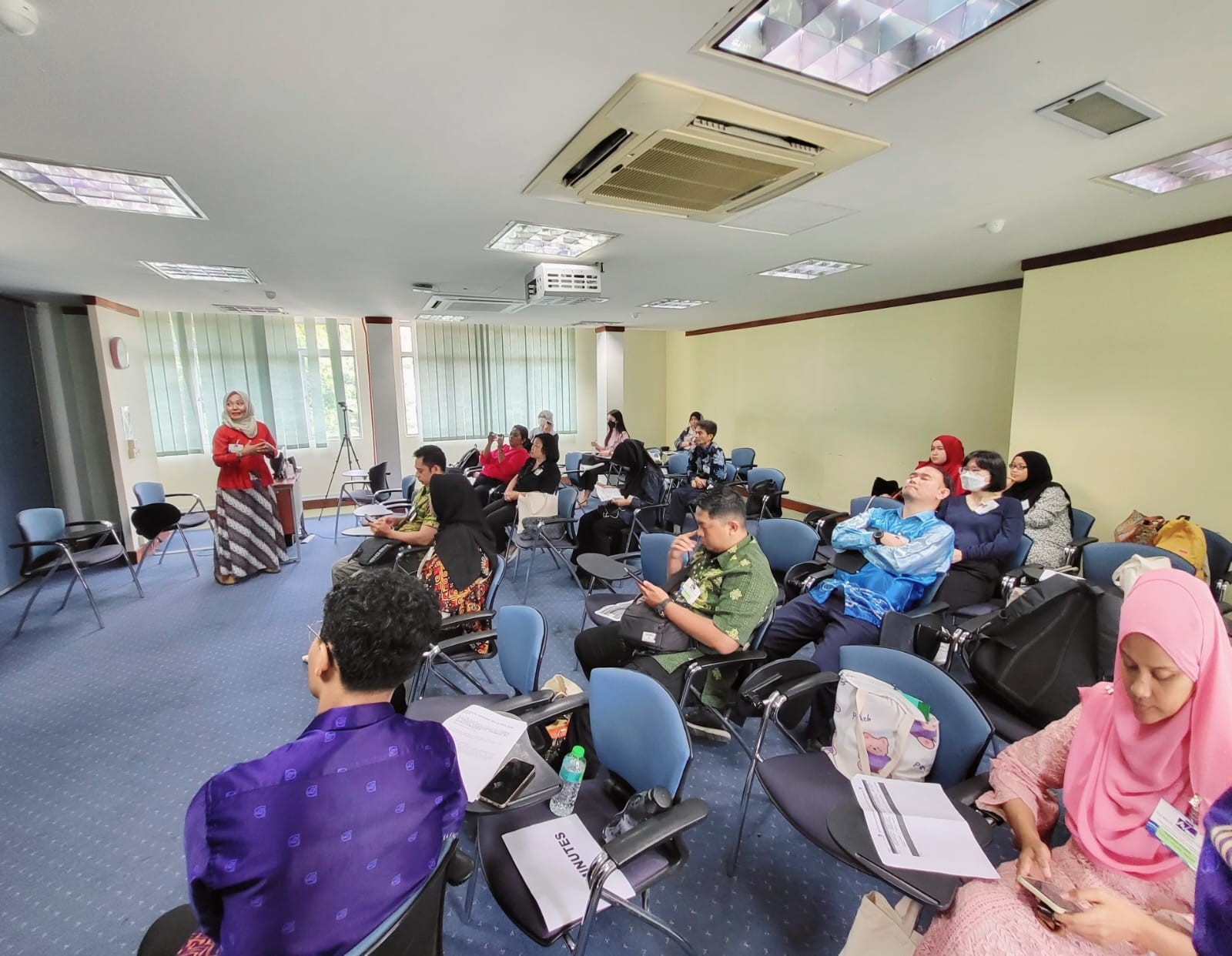
The expected outcomes of this research are transformative. The technology-enhanced speaking tasks will not only improve students’ English proficiency but also foster critical thinking, creativity, and collaboration. The insights gained from this study will inform future educational practices, setting a new standard for technology-driven language learning.
In conclusion, our collaboration with Ohio University and the focus on technology-enhanced speaking tasks represents a visionary step in our commitment to quality education. Together, we are bridging communication gaps, creating connections, and shaping a more inclusive, engaged learning community. We invite the campus community, stakeholders, and all interested parties to engage with and support this innovative project.