
Kusubakti Andajani
In a world that is increasingly interconnected, the ability to communicate across cultures is more vital than ever. Universitas Negeri Malang, in collaboration with Shainee Tamphu, a foreign researcher from Yala Rajabhat University, is pioneering a research project that aims to develop speaking learning materials to achieve socio-cultural competence in Indonesian language learning at an advanced level. This research team is led by Dr. Kusubakti Andajani, M.Pd, with three researchers namely Dr. Gatut Susanto, M.M., M.Pd, Prof. Dr. Imam Suyitno, M.Pd, Dr. Roekhan, M.Pd., two students from our university namely Ahsani Maulidina, M.Pd and Bambang Prastio, M.Pd.
Language is more than just words and grammar; it’s a gateway to understanding different cultures and perspectives. This research initiative recognizes the importance of socio-cultural competence in language learning, focusing on the Indonesian language. By integrating socio-cultural aspects into speaking learning materials, the project aims to provide learners with the tools they need to engage in meaningful cross-cultural communication.
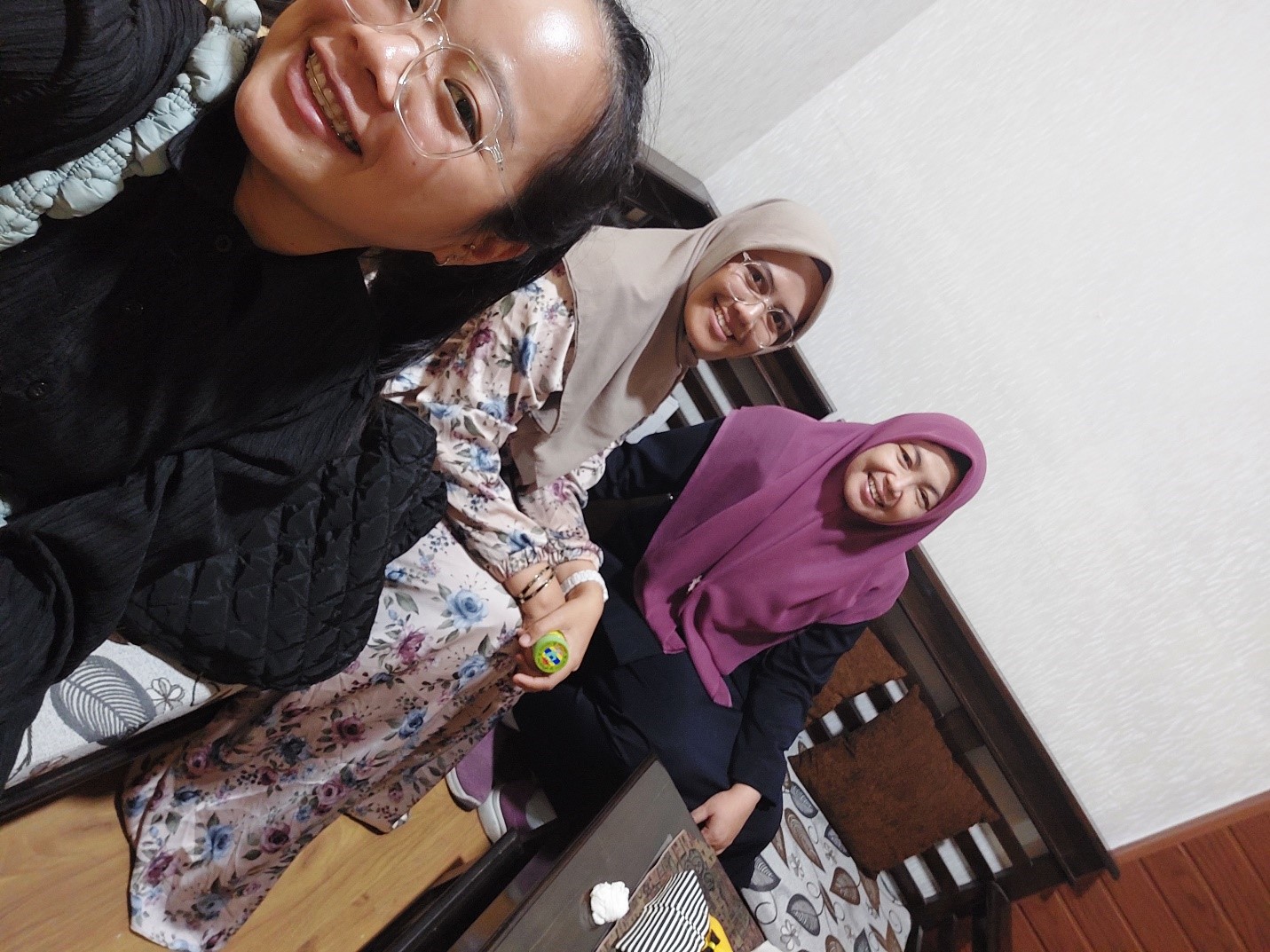
The collaboration with Shainee Tamphu from Yala Rajabhat University adds depth and expertise to this research. Her knowledge and experience in South East Asian Studies will contribute to the development of materials that are not only linguistically accurate but also culturally relevant.
This research initiative aligns with the global Sustainable Development Goal (SDG) of “Quality Education.” By enhancing language education through a focus on socio-cultural competence, we are contributing to a more inclusive and equitable quality education. The compatibility of this program with the SDG of Quality Education is clear. In a globalized world, the ability to understand and appreciate different cultures is essential for fostering peace, collaboration, and mutual respect.
The expected outcomes of this research are transformative. The development of speaking learning materials that integrate socio-cultural competence will create a more engaging and effective learning experience. It will also promote cultural awareness and empathy, as learners engage with the rich and diverse cultural heritage of Indonesia and the broader South East Asian region.
In conclusion, our collaboration with Yala Rajabhat University and the focus on socio-cultural competence represents a significant advancement in our commitment to quality education. Together, we are redefining language education, making it more relevant, effective, and aligned with the needs of today’s interconnected world. We invite the campus community, stakeholders, and all interested parties to engage with and support this innovative project.