
AH. Rofi’uddin
In an era where critical and creative thinking skills are paramount, Universitas Negeri Malang is leading a groundbreaking research project aimed at transforming Indonesian language education in high schools. This research team is led by Prof. Dr. Ahmad Rofi’udin , M.Pd., with three researchers namely Dr. Gatut Susanto, M.Pd., Dr. Didin Widyartono, M.Pd., Helmi Muzaki, M.Pd., a student from our university namely Nova Shufia T, and an assistant namely Fajerin Nur Syafitri. This initiative, conducted in collaboration with David Pickus, a foreign researcher from Zhejiang University, seeks to develop a model that fosters critical and creative thinking through the teaching of the Indonesian language.
The project’s innovative approach recognizes the power of language as a tool for cognitive development. By integrating critical and creative thinking into the Indonesian language curriculum, the research team aims to provide students with the skills they need to navigate the complex challenges of the 21st century.
The collaboration with David Pickus from Zhejiang University adds a global perspective to this research. His expertise in language education and his connection to a prestigious Chinese university will provide valuable insights and contribute to the project’s success.
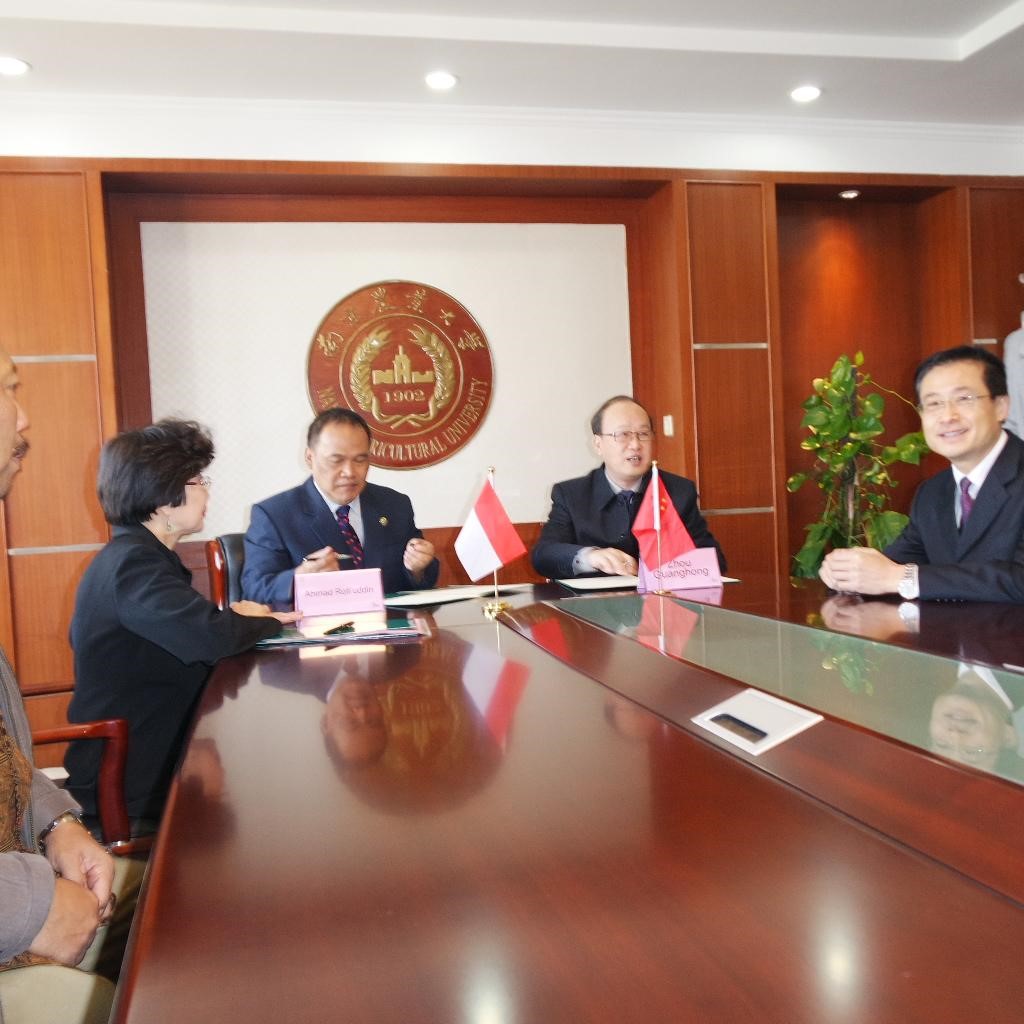
This research initiative aligns with the global Sustainable Development Goal (SDG) of “Quality Education.” By enhancing language education through a focus on critical and creative thinking, we are not only improving the quality of education but also empowering students to become active and responsible global citizens. The compatibility of this program with the SDG of Quality Education is evident. In a rapidly changing world, the ability to think critically and creatively is essential for personal growth, social engagement, and economic prosperity.
The expected outcomes of this research are transformative. The development of a model that integrates critical and creative thinking into the Indonesian language curriculum will create a dynamic and engaging learning environment. It will also promote cultural awareness and national identity, as students engage with the rich and diverse heritage of the Indonesian language. The collaboration with Zhejiang University further emphasizes the international relevance of this project, bridging cultural gaps and fostering global collaboration.
In conclusion, our collaboration with Zhejiang University and the focus on critical and creative thinking represents a significant advancement in our commitment to quality education. Together, we are redefining language education, making it more relevant, effective, and aligned with the needs of today’s world. We invite the campus community, stakeholders, and all interested parties to engage with and support this pioneering project.