Dalam rangka menyambut Bulan Bahasa dan Sastra 2023 Kami Himpunan Mahasiswa Departemen Sastra Indonesia menyelenggarakan berbagai rangkaian acara. Dari yang paling dekat ada
SEMNAS [Seminar Nasional]
Seminar Nasional kali ini mengusung tema
“Peran Generasi Muda untuk Reposisi Sastra dan Budaya dalam Penguatan Identitas Bangsa”.
Penasaran dengan pembicara Seminar Nasional tahun ini? Ayo daftar jadi peserta seminar mangkanya • • Linimasa SEMNAS 2023 Pendaftaran SEMNAS 12 September – 1 Oktober 2023
Para Mahasiswa FS Peserta MBKM Semester Gasal 2023/2024,
Mohon bantuan para mahasiswa FS yang diterima menjadi peserta MBKM (Mandiri dan Kemendikbud) pada Semester Gasal 2023-2024 untuk mengisi GForm pendataan peserta MBKM berikut: https://forms.gle/V88KfBUZkN2EL5PA9
Informasi yang anda berikan akan kami gunakan sebagai database dan acuan informasi MBKM FS UM.
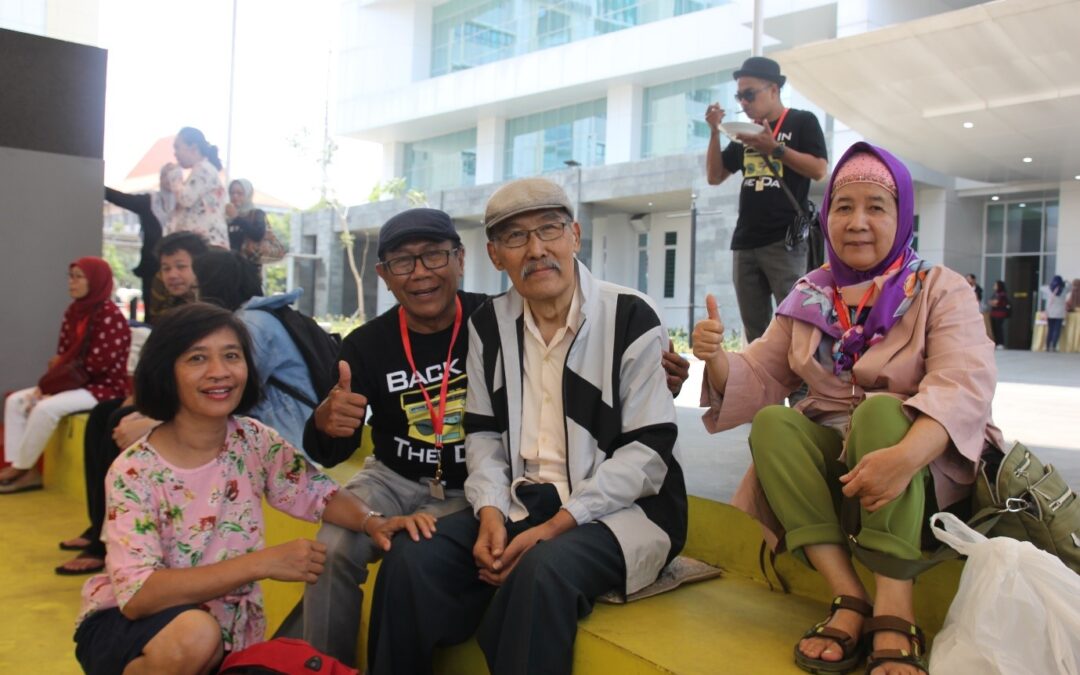
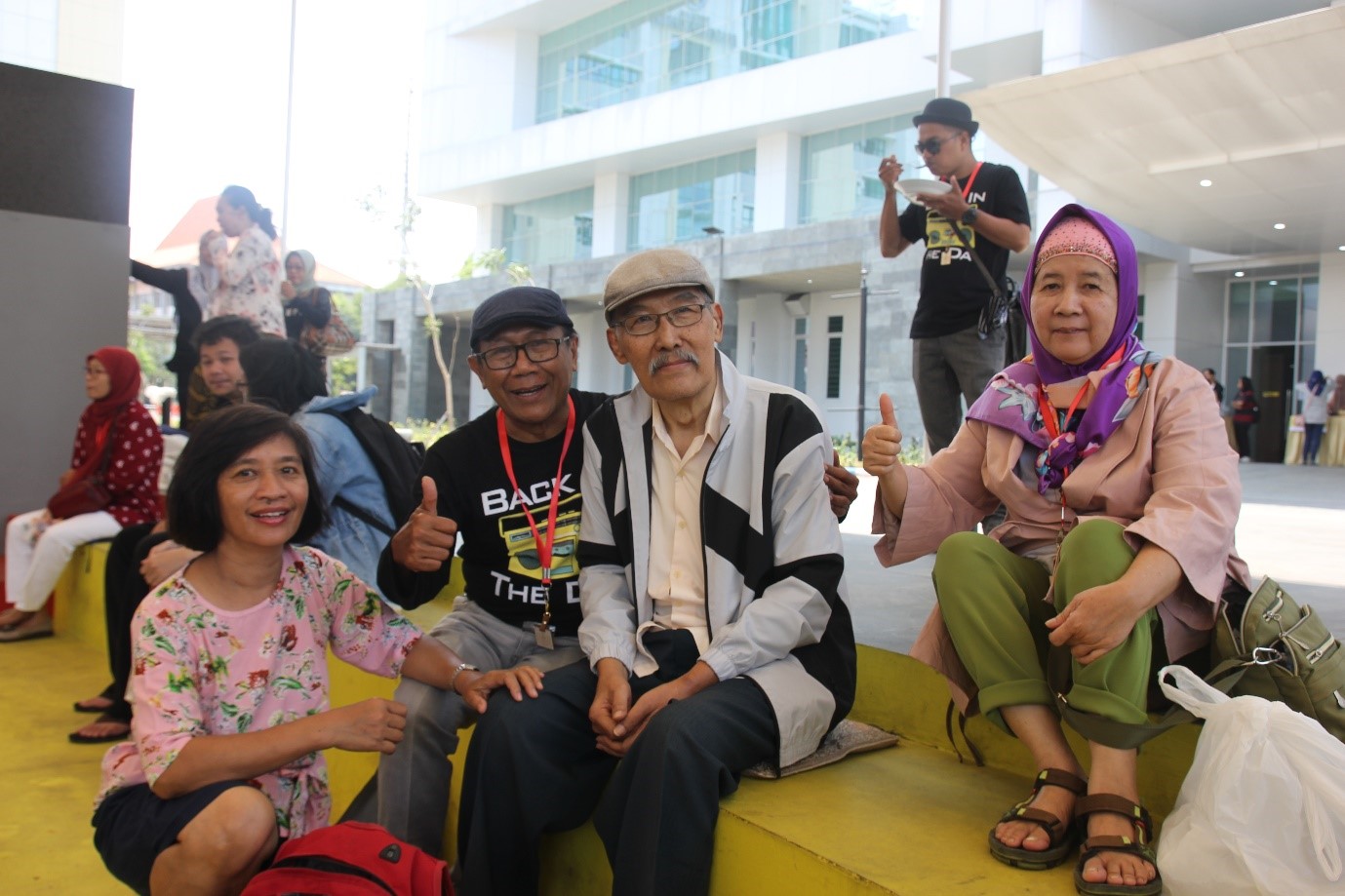
Universitas Negeri Malang (UM) gelar reuni akbar tepat pada Hari Minggu (11/09/2023). Acara reuni akbar berlangsung di depan halaman Graha Rektorat. Kemudian, acara berlanjut di masing-masing departemen dari setiap fakultas. Demikian pula dengan kelima departemen yang berada dalam naungan Fakultas Sastra (FS). Kelima departemen FS mengadakan acara reuni di lima tempat yang berbeda. Departemen Sastra Indonesia melangsungkan acara reuni di Gedung AVA, Departemen Sastra Arab di Aula Perpustakaan UM, Departemen Seni dan Desain bertempat di halaman Gedung D18, Departemen Sastra Inggris di Outdoor Learning Space yang berada di antara Gedung Kuliah Bersama (GKB) A19 dan A20, serta Departemen Sastra Jerman yang bertemakan garden party digelar di halaman Gedung D17 FS.
“Sejak IKIP Malang didirikan, kemudian saya masuk pada tahun 1970 sampai sekarang, saya kira secara akademik semua tetap bertahan dengan baik, khususnya Fakultas Sastra tetap dikenal bagus dengan nama tokoh guru besar di dalamnya. Kemudian yang sangat terasa pastinya gedung-gedung kita sudah lebih megah. Ketika saya mahasiswa dulu masih belum add gedung bertingkat,” seru Prof. A. Effendi Kadarisman, M.A., Ph.D., purna Guru Besar Sastra Inggris UM seraya bernostalgia akan perbedaan IKIP yang dulu dengan UM sekarang.
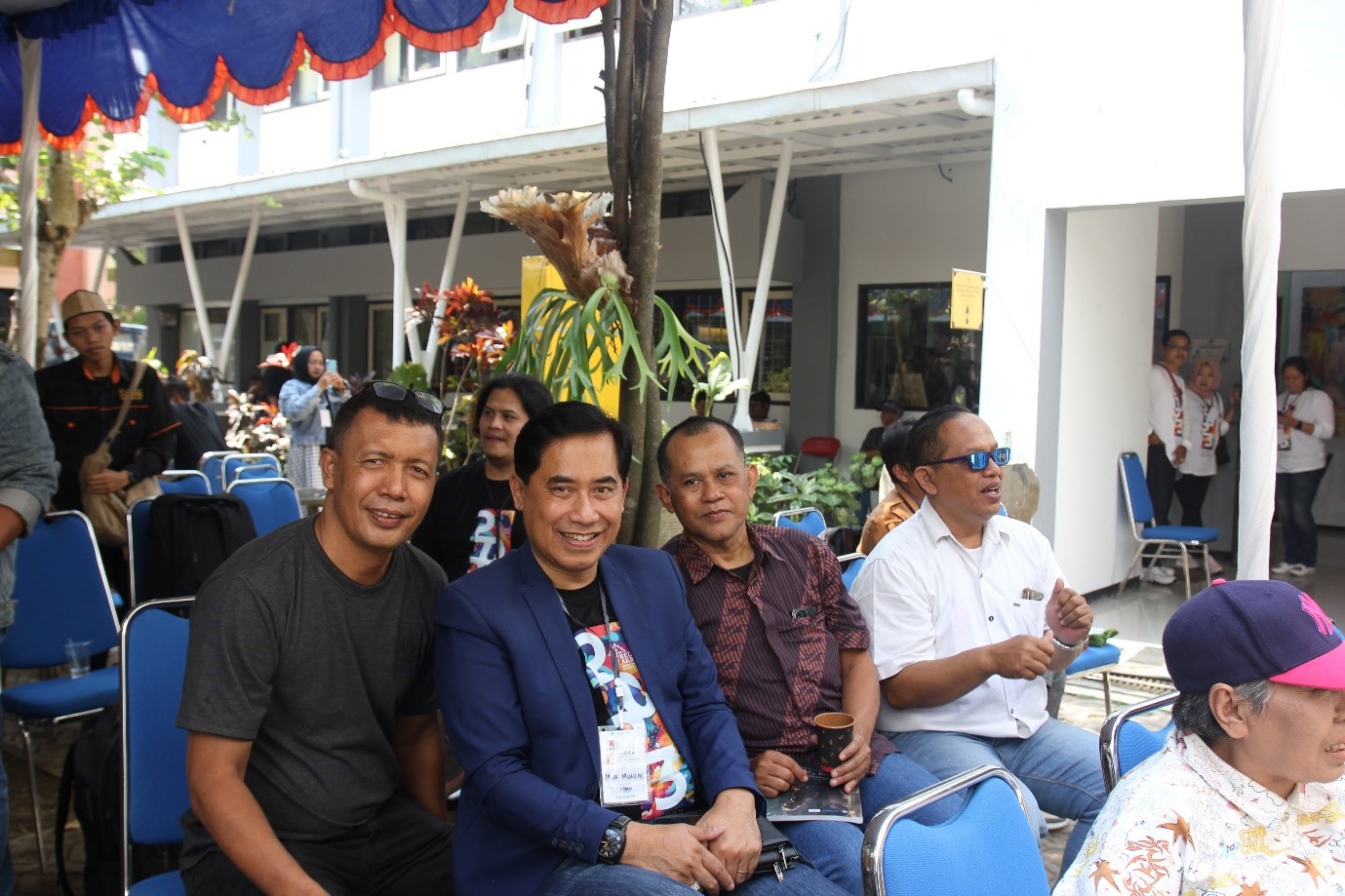
“Di bangku sekolah, saya mendapatkan teori-teori dan inspirasi. Saya mendapatkan ilmu kehidupan setelah saya menjalani hidup dan mau belajar dari hidup itu sendiri. Jadi teori itu bisa menjadi absolut dan dinamis yang suatu ketika bisa dimodifikasi dan diadaptasi. Oleh karena itu, latar belakang akademis kita tidak harus linier dengan pekerjaan kita di masa depan, kecuali kedokteran. Sehingga perlu diingat, kita masih memiliki banyak kesempatan dan tidak boleh membatasi diri kita dalam berprofesi. Kita harus bisa selalu melihat peluang, kesempatan yang diberikan, beramanah terhadapnya,” pesan salah satu alumni S1 Pendidikan Seni Rupa, M. Nor Muhlas, S.Pd, M.Si. selaku Direktur utama perumda Tugu Tirta kepada adik tingkatnya, baik yang masih sedang mengenyam pendidikan di bangku perkuliahan maupun alumni yang sudah menyelesaikan program studinya.
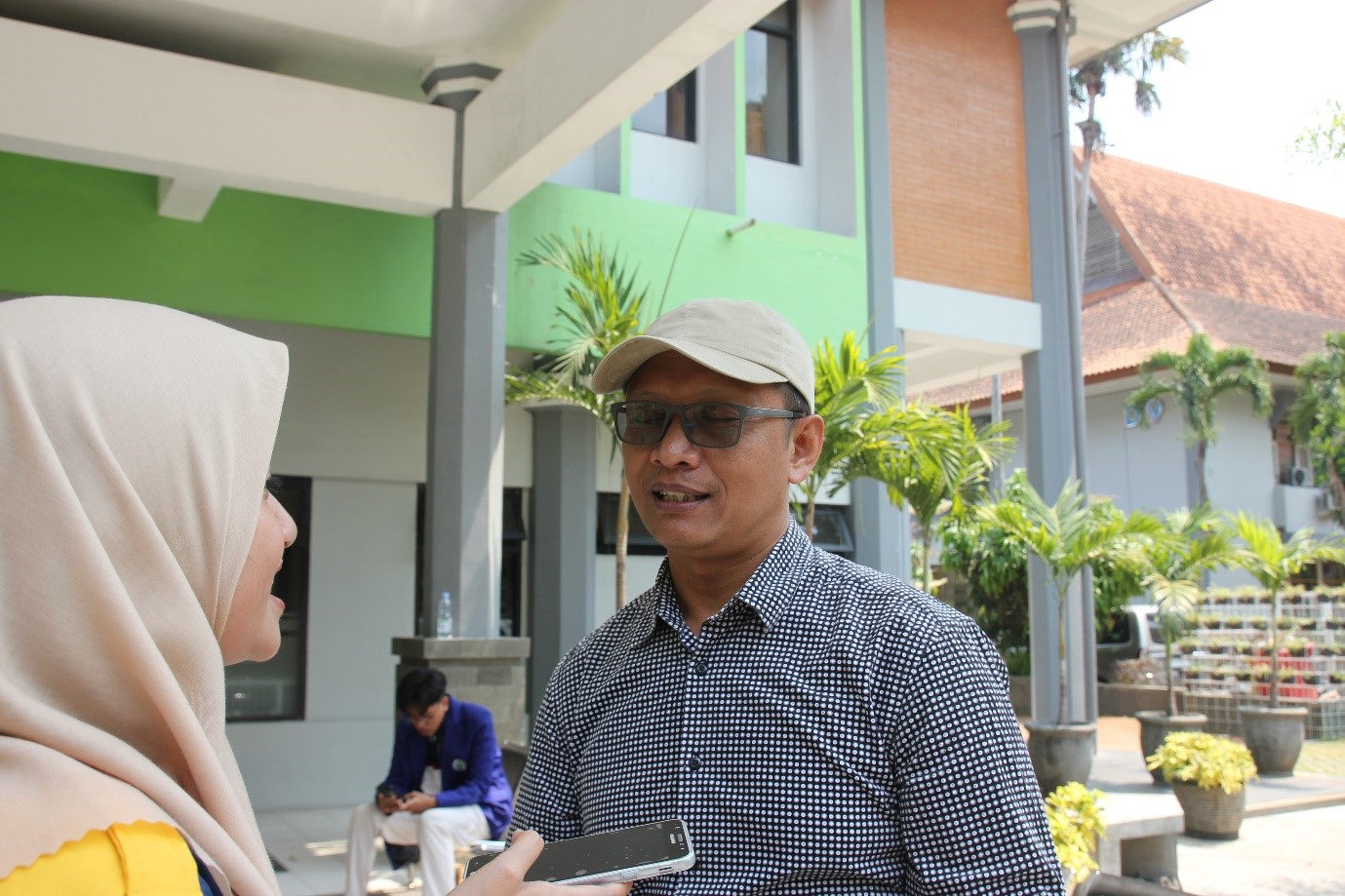
Kepala Kantor Kementerian Agama Kabupaten Jombang, Dr. Muhajir, S.Pd,M.Ag selaku alumni mahasiswa Departemen Sastra Arab menyampaikan harapan beliau terkait acara reuni akbar tahun ini. Beliau menyampaikan, “Saya senang dengan acara yang seperti ini karena memberikan tempat bagi kita untuk bertemu dengan sesama alumni. Saya harap acara ini tetap diadakan dikedepannya dengan menghadirkan lebih banyak alumni yang sudah tersebar luas.”
“Acara reuni akbar Departemen Sastra Indonesia pada tahun ini berlangsung dengan lancar, yang datang dari berbagai angkatan. Sastra Indonesia menerbitkan buku kumpulan puisi, ditulis oleh dosen dan alumni, yang hari ini dibagikan kepada para peserta. Sehingga, mereka bereuni sambil berkarya juga,” tutur Ketua Program Studi S1 Bahasa dan Sastra Indonesia, Moh. Safii, S.Kom, M.Hum selaku salah satu panitia gelar reuni akbar Departemen Sastra Indonesia. Lukluk Ul Muyassaroh, S.Pd, MTCSOL, alumni sekaligus salah satu dosen program studi S1 Pendidikan Bahasa Mandarin menjadikan kata “hangat” sebagai gambaran yang mendeskripsikan keberlangsungan acara reuni akbar tahun ini.
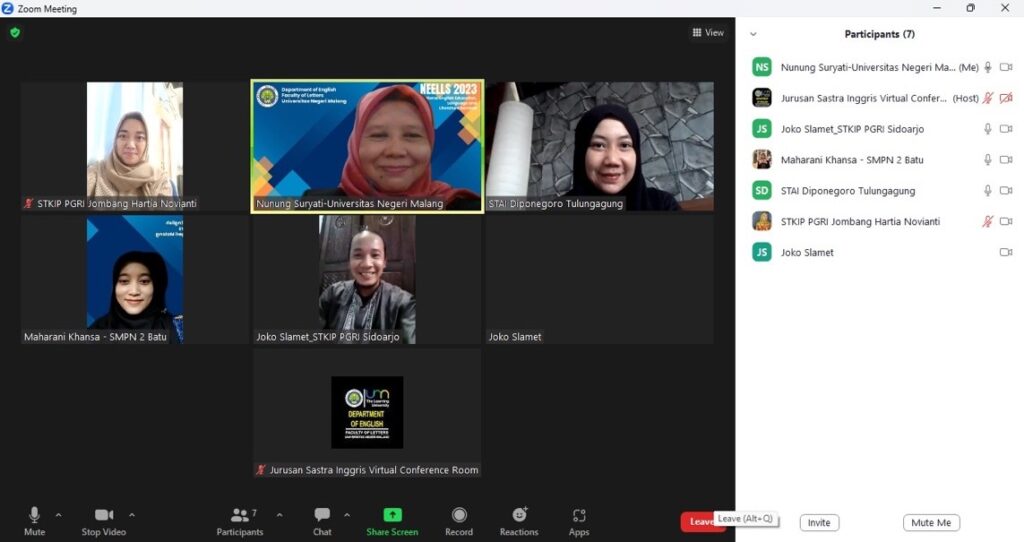
Malang, Indonesia – In a groundbreaking study conducted by a team of researchers from various educational institutions, including Universitas Negeri Malang (UM), the effectiveness of Project-Based Learning (PBL) in English for Specific Purposes (ESP) classes was examined, shedding light on its positive impact on Indonesian students’ learning outcomes. The research, titled “Effectiveness of Project-Based Learning in ESP Class: Viewed from Indonesian Students’ Learning Outcomes,” was recently published in the prestigious International Journal of Information and Education Technology (Vol. 13, No. 3, March 2023).
The research team comprised Dewi Hidayati from STAI Diponegoro Tulungagung, Hartia Novianti from STKIP PGRI JOMBANG, Maharani Khansa, a junior high school student in Batu, and Joko Slamet and Prof. Nunung Suryati from Universitas Negeri Malang (UM).
The study aimed to assess the impact of incorporating Project-Based Learning methodologies into ESP classrooms and how it contributes to enhancing learning outcomes, particularly among Indonesian students. ESP classes are crucial for students seeking specialized language skills for specific fields, such as business, science, or technology.
Project-Based Learning is an educational approach that emphasizes hands-on, real-world projects as the primary method for teaching and learning. It encourages students to actively engage in problem-solving, critical thinking, collaboration, and practical application of knowledge.
In addition to its educational implications, this research aligns with the United Nations Sustainable Development Goals (SDGs). The most relevant SDGs include:
SDG 4 – Quality Education: By enhancing the effectiveness of ESP classes through PBL, the research contributes to improving the quality of education, ensuring inclusive and equitable opportunities for all.
SDG 8 – Decent Work and Economic Growth: The development of language and problem-solving skills prepares students for future employment and contributes to sustainable economic growth.
SDG 9 – Industry, Innovation, and Infrastructure: PBL fosters innovation and practical application of knowledge, aligning with efforts to promote sustainable industrialization and innovation.
SDG 17 – Partnerships for the Goals: This research represents a collaborative effort among various educational institutions, emphasizing the importance of partnerships in achieving sustainable development.
This research from Universitas Negeri Malang and its collaborators provides valuable insights into improving language education and fostering essential skills among Indonesian students. The findings offer a promising path for educators and policymakers to enhance the quality of education and contribute to the achievement of the United Nations Sustainable Development Goals.
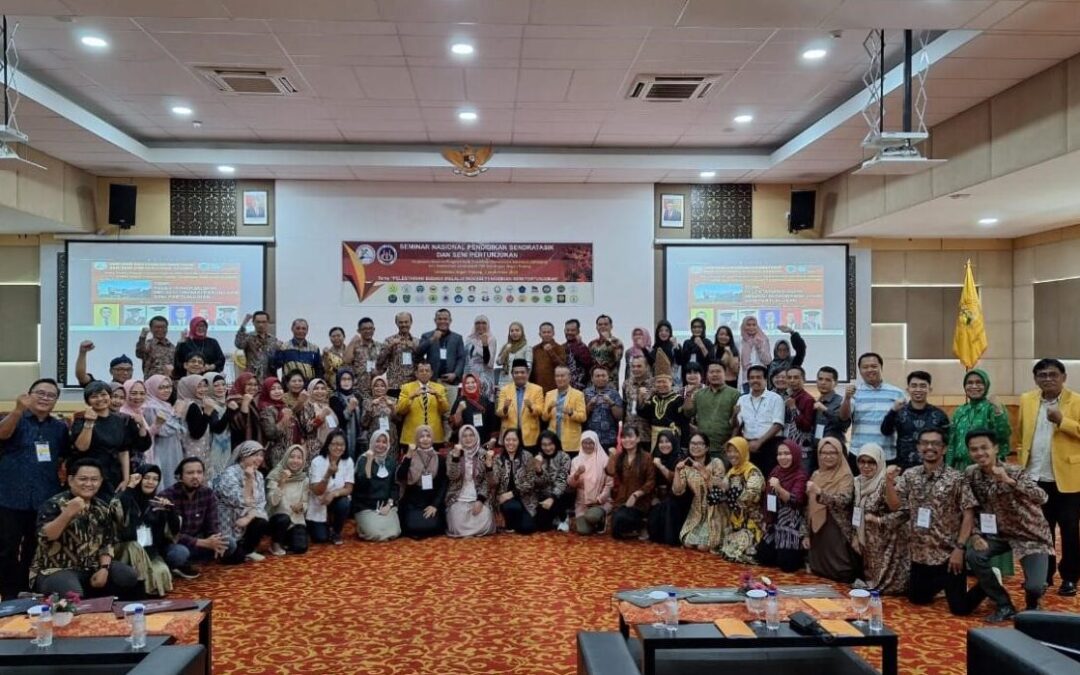
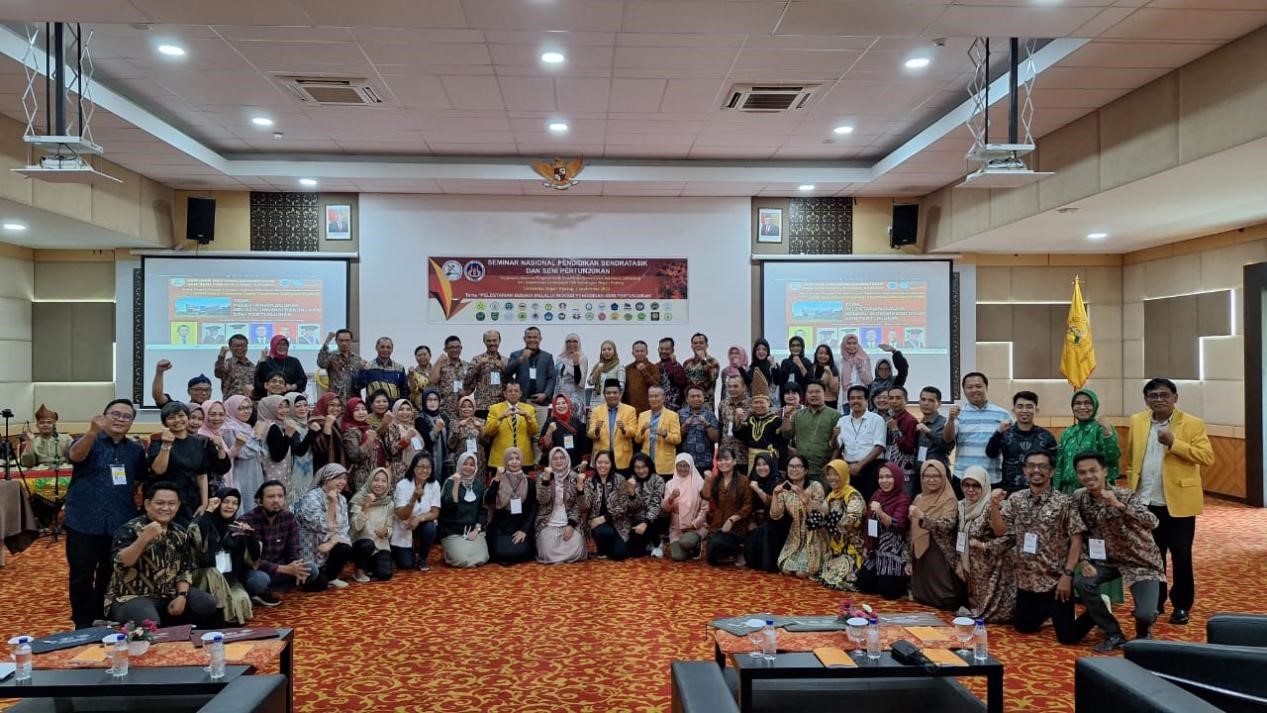
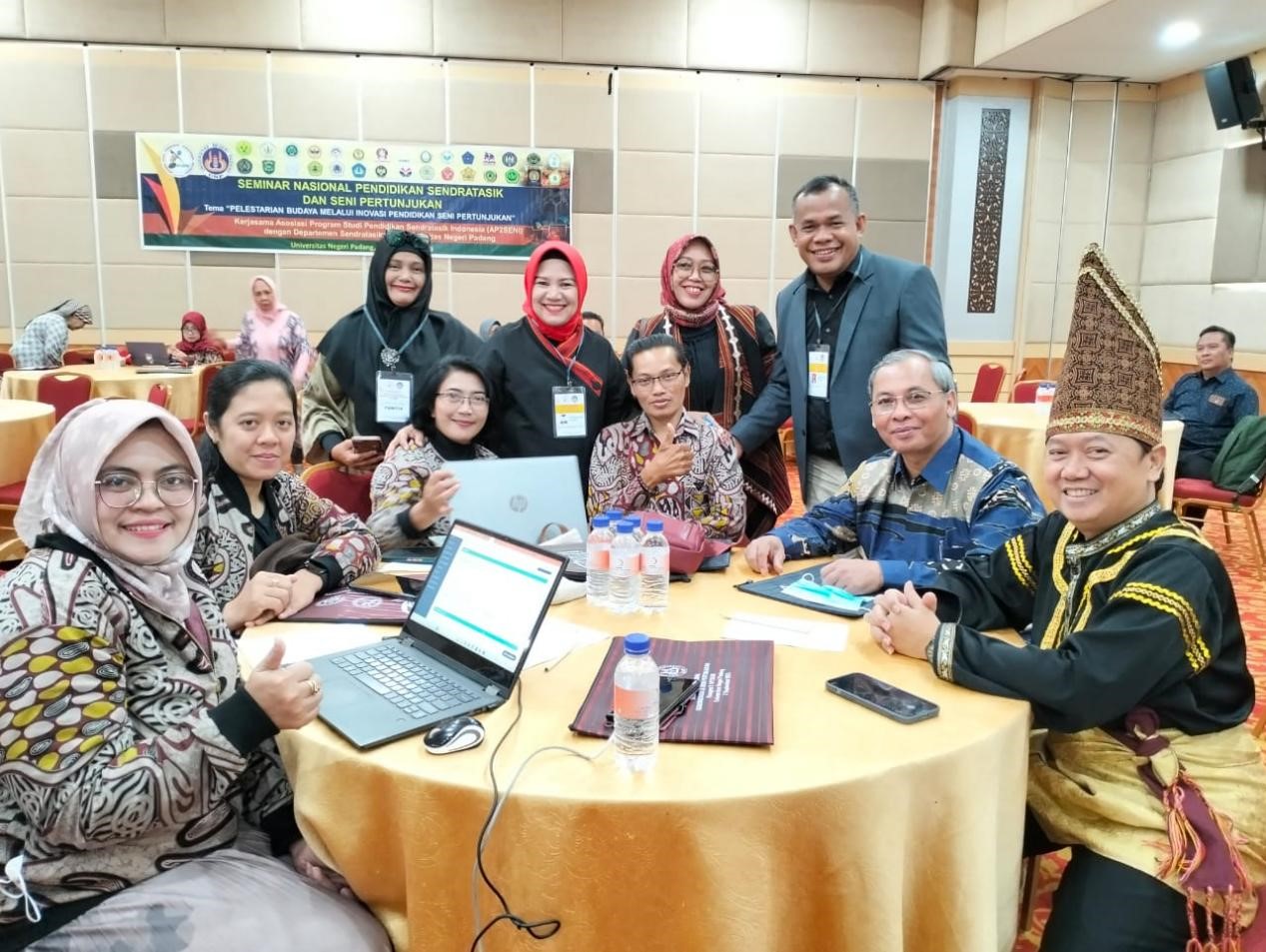
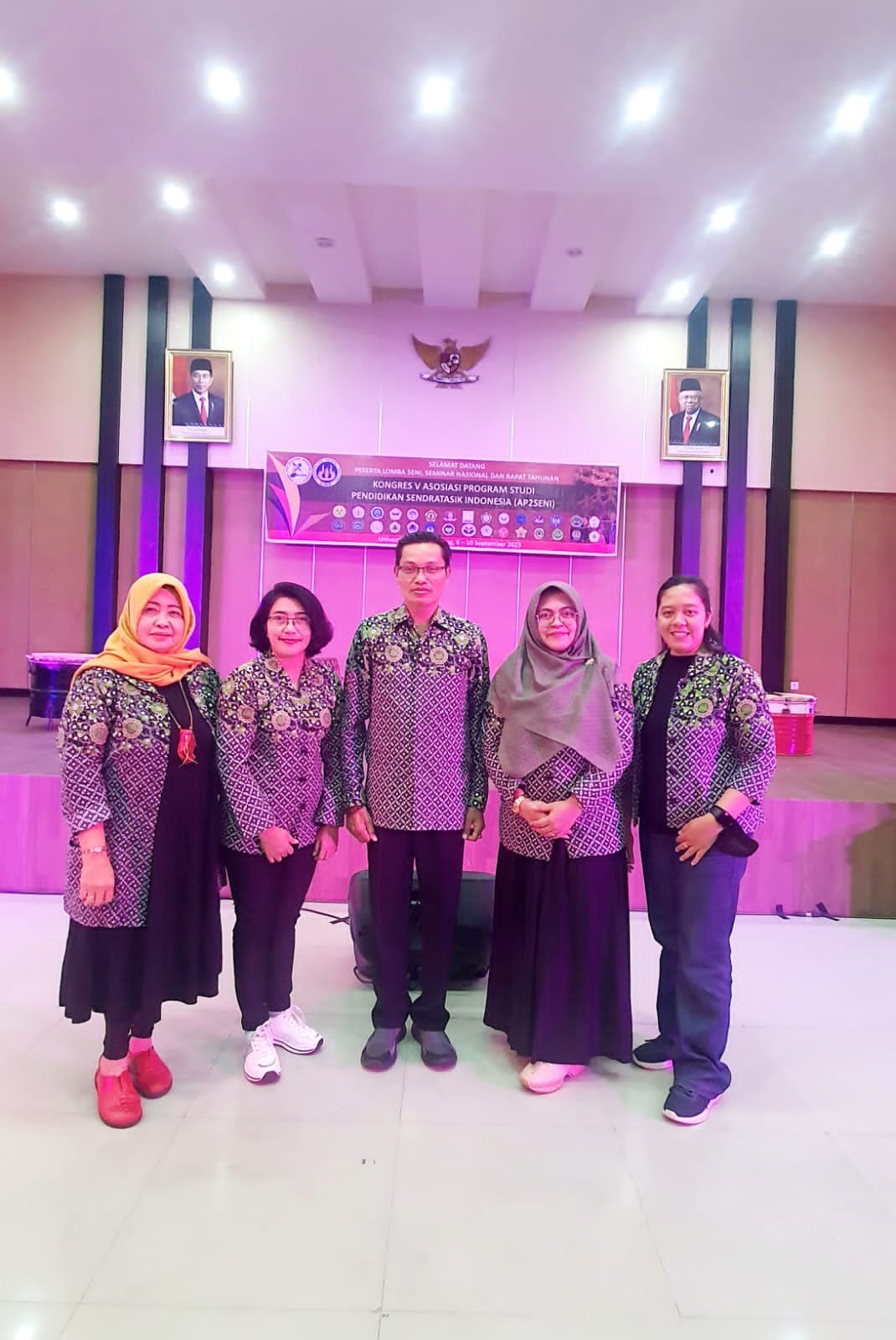
From September 6 to 10, 2023, Padang, Indonesia, was abuzz with creativity and intellectual discourse as the Performing Arts Education Study Program Association (AP2SENI) convened for its highly anticipated National Congress and Seminar. The event, hosted by Padang State University, aimed to redefine the landscape of performing arts education in Indonesia. Under the visionary leadership of Prof. Ganefri, Ph.D., the Chancellor of Padang State University, this gathering sought to ponder the transformation and nomenclature of the Sendratasik Education Study Program, sparking a dynamic dialogue on the future of performing arts education in the nation.
The AP2SENI Indonesia National Congress and Seminar brought together educators, scholars, artists, and enthusiasts from across the archipelago. It provided a platform for the exchange of ideas, experiences, and best practices in the field of performing arts education. The event’s primary focus was to initiate a thoughtful discussion on renaming the Sendratasik Education Study Program, which plays a crucial role in nurturing talent and preserving Indonesia’s rich cultural heritage.
Prof. Ganefri, in his inaugural address, emphasized the significance of this gathering. He highlighted the evolving nature of the performing arts and its relevance in contemporary society. Prof. Ganefri stated, “The performing arts have always been a vibrant reflection of our culture, and as we navigate the currents of change, it’s crucial that we redefine our approach to performing arts education.” He urged participants to engage actively in the deliberations, with the hope of charting a new path for this critical sector.
Throughout the five-day event, participants engaged in a series of seminars, workshops, and panel discussions. Distinguished speakers and experts shared their insights on various aspects of performing arts education. Topics ranged from curriculum development and teaching methodologies to the integration of technology in the arts. These discussions provided valuable insights into the challenges and opportunities facing the field.
One of the highlights of the event was a panel discussion titled “The Future of Performing Arts Education in Indonesia.” Esteemed educators and artists debated the merits of renaming the Sendratasik Education Study Program to better reflect the evolving nature of the performing arts. The consensus was that a new name could capture the essence of this field and attract a broader range of students interested in pursuing careers in the performing arts.
Another critical aspect of the event was the presentation of research papers and projects by scholars and students. These presentations showcased innovative approaches to teaching and learning in the performing arts and demonstrated the vibrancy of the discipline.
The AP2SENI Indonesia National Congress and Seminar also featured cultural performances, providing attendees with a taste of Indonesia’s rich artistic heritage. These performances served as a reminder of the deep-rooted connection between culture and the performing arts.
As the event drew to a close on September 10, 2023, participants left with a renewed sense of purpose and a shared commitment to shaping the future of performing arts education in Indonesia. The discussions and insights gained during this gathering will undoubtedly influence the direction of the Sendratasik Education Study Program and the broader field of performing arts education in the country.
In conclusion, the AP2SENI Indonesia National Congress and Seminar in Padang from September 6 to 10, 2023, was a pivotal moment in the history of performing arts education in Indonesia. Prof. Ganefri’s vision and the collective efforts of all participants have set the stage for a more vibrant and inclusive future for this essential discipline. As the discussions continue, it is clear that the performing arts in Indonesia are poised for a dynamic evolution that will contribute to the nation’s cultural richness and creative excellence.