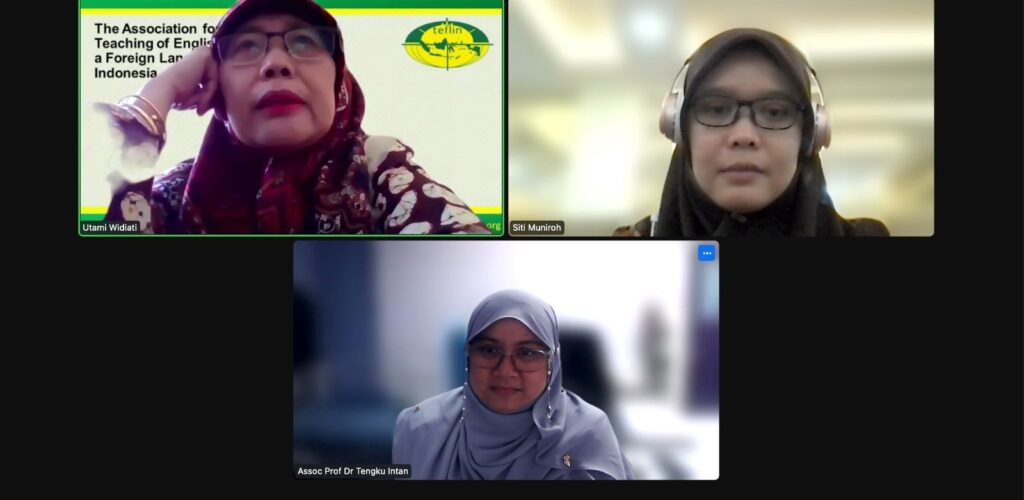
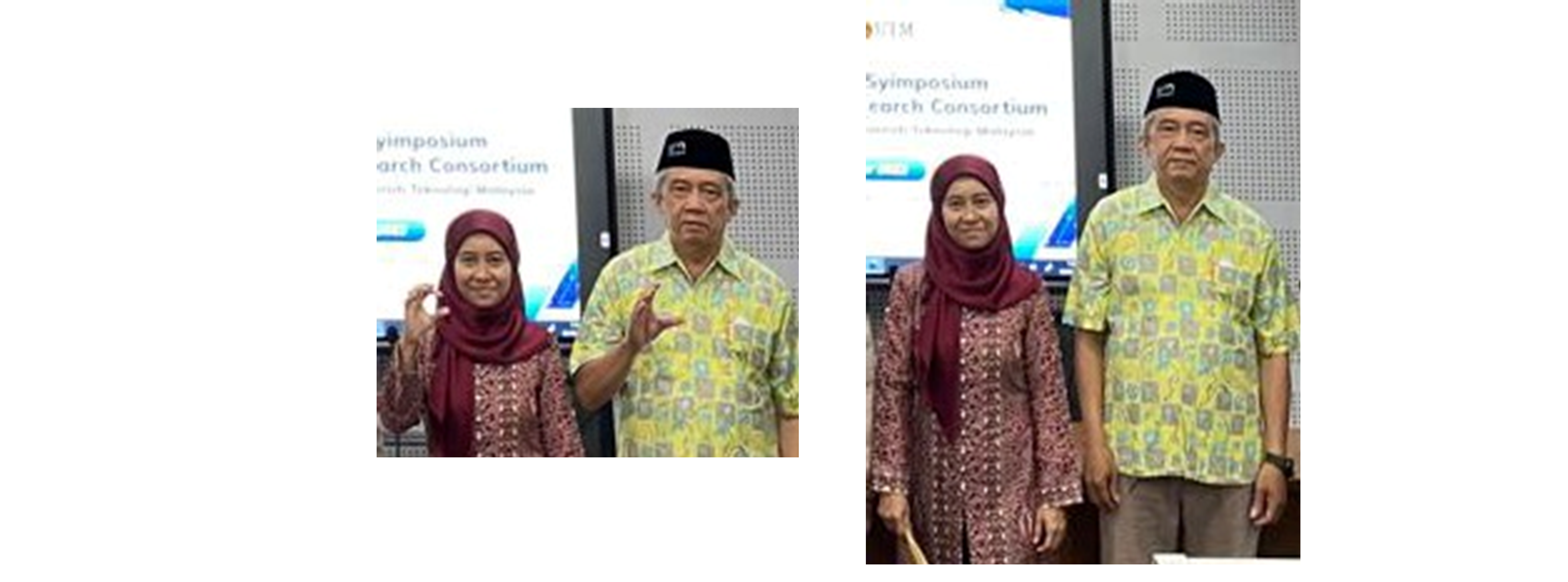
In a globalized world where language serves as a bridge between cultures, Universitas Negeri Malang is proud to announce a groundbreaking research initiative aimed at enhancing competitive language education. This project, led by Prof.Utami Widiati, M.A., Ph.D, in collaboration with Tengku Intan Suzila Tengku Sharif, a distinguished foreign researcher from Universiti Teknologi MARA, Malaysia, aims to redefine the way language is taught and learned considering the advancement of technology.
The research focuses on competitive language education, with specific emphasis on the TKT (Teaching Knowledge Test) level 4 and the KATSINOV level 3. These levels represent advanced stages of language proficiency and teaching skills, reflecting a commitment to excellence and innovation in language education.
The expected results of this research are transformative. The insights gained from this study will not only enhance our understanding of competitive language education but also provide a roadmap for educators looking to elevate their teaching to new heights. The results will be shared through various channels, including conferences, workshops, and academic journals.
This research initiative aligns perfectly with the global Sustainable Development Goal (SDG) of “Quality Education.” By focusing on competitive language education and striving for excellence in teaching and learning, we are taking significant steps towards ensuring inclusive and equitable quality education for all.
The compatibility of this program with the SDG of Quality Education is profound and inspiring. Language is not just a tool for communication; it’s a gateway to understanding, empathy, and collaboration. By elevating competitive language education, we are empowering individuals to engage with the world around them, fostering a sense of global citizenship and shared humanity. This alignment with the SDG reflects our commitment to not only advancing language education but also building bridges between cultures and communities.
In conclusion, our collaboration with Universiti Teknologi MARA and the focus on competitive language education represents a visionary step forward in our commitment to excellence in education. Together, we are empowering language education, building bridges, and shaping a brighter, more inclusive future. We invite the campus community, stakeholders, and all interested parties to engage with and support this transformative project.
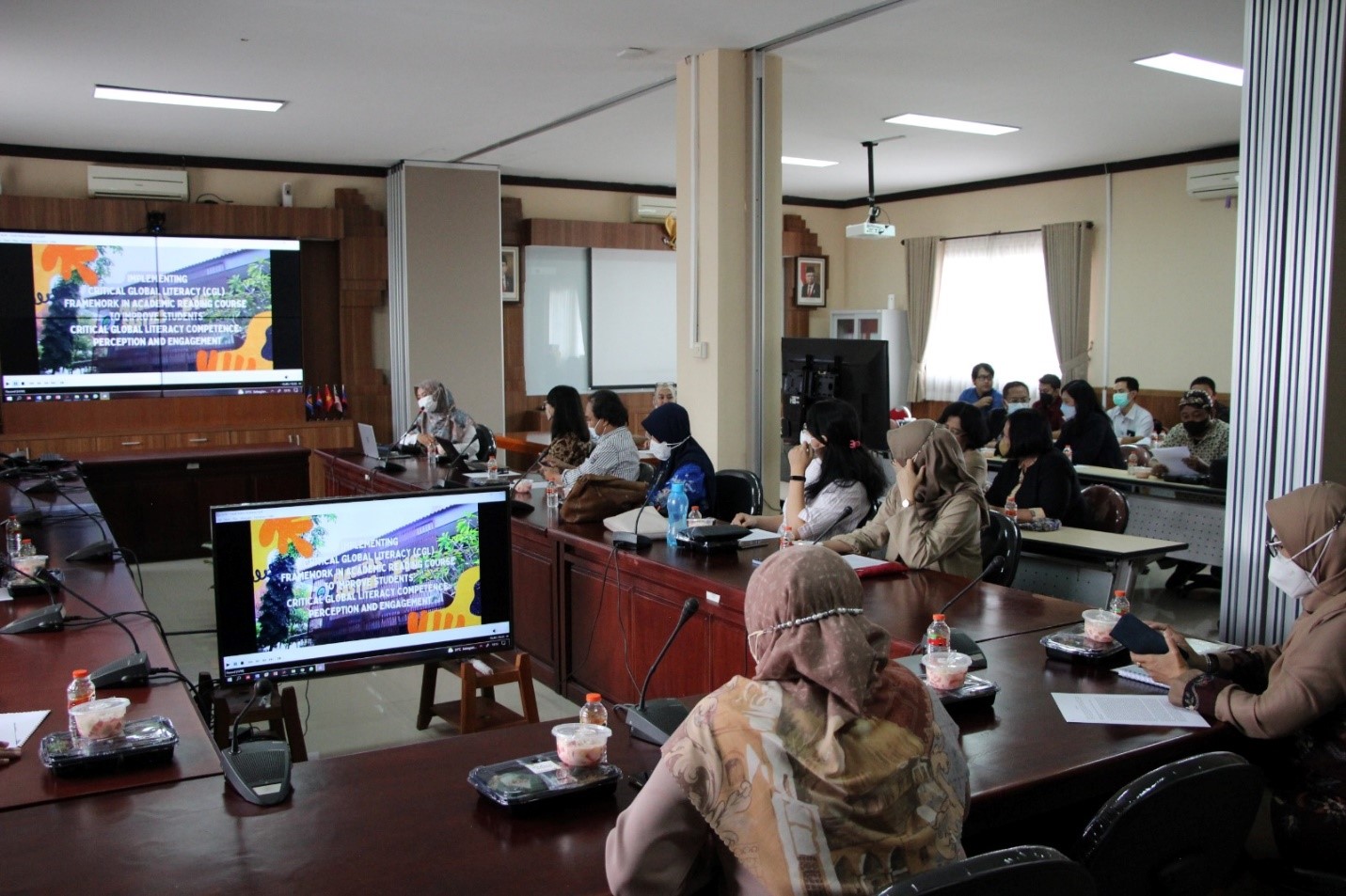
Universitas Negeri Malang is thrilled to unveil a pioneering research initiative that transcends borders and disciplines. This ambitious project, focusing on Indonesian undergraduate EFL students’ responses to the Critical Global Literacy (CGL) framework, is set to revolutionize the way we approach language education.
In a remarkable collaboration, we are honored to have Tengku Intan Suzila Tengku Sharif, a renowned foreign researcher from Universiti Teknologi MARA, Malaysia joining our research team, Prof. Utami Widiati, M.A., Ph.D and Dr. Emy Sudarwati. Her expertise in the field of English language education will significantly contribute to the depth and breadth of the research, fostering a spirit of international cooperation and innovation.
This research initiative is not confined to the academic realm; it resonates with the global Sustainable Development Goals (SDGs), particularly “Quality Education.” By exploring and implementing the CGL framework, we aim to enhance literacy skills, critical thinking, and global awareness among students. This aligns perfectly with the universal call for inclusive and equitable quality education, promoting lifelong learning opportunities for all.
The compatibility of this program with the SDG of Quality Education is more than just a thematic alignment; it’s a manifestation of our commitment to global development. Education is not merely a tool for personal growth; it’s a catalyst for societal transformation. By empowering individuals with the skills to engage with the world critically and compassionately, we are laying the groundwork for a more just and sustainable future.
The research proposal outlines various innovative strategies, including the development of contextual learning models, integrated reading and writing techniques, and professional development models for English teachers. These strategies are designed to bridge the gap between pre-service and in-service teacher development, enhancing the overall quality of English language education in Indonesia.
Furthermore, this program supports other SDGs such as “Zero Hunger,” “Sustainable Cities and Communities,” and “Justice for Peace and Strong Institutions.” By fostering global literacy, we are not only enhancing individual competencies but contributing to the broader goals of sustainability, justice, and peace.
In collaboration with international partners like Universiti Teknologi MARA, this initiative embodies the spirit of global solidarity and shared responsibility. It’s a testament to what we can achieve when we come together, transcending geographical and cultural boundaries, to work towards a common goal.
In conclusion, this collaborative research initiative with Universiti Teknologi MARA is more than an academic endeavor; it’s a beacon of hope and a symbol of our commitment to global development. It’s about shaping minds, building bridges, and making a difference in the world. We invite the campus community and all stakeholders to support and engage with this exciting project, as we work together to shape a brighter, more inclusive future.
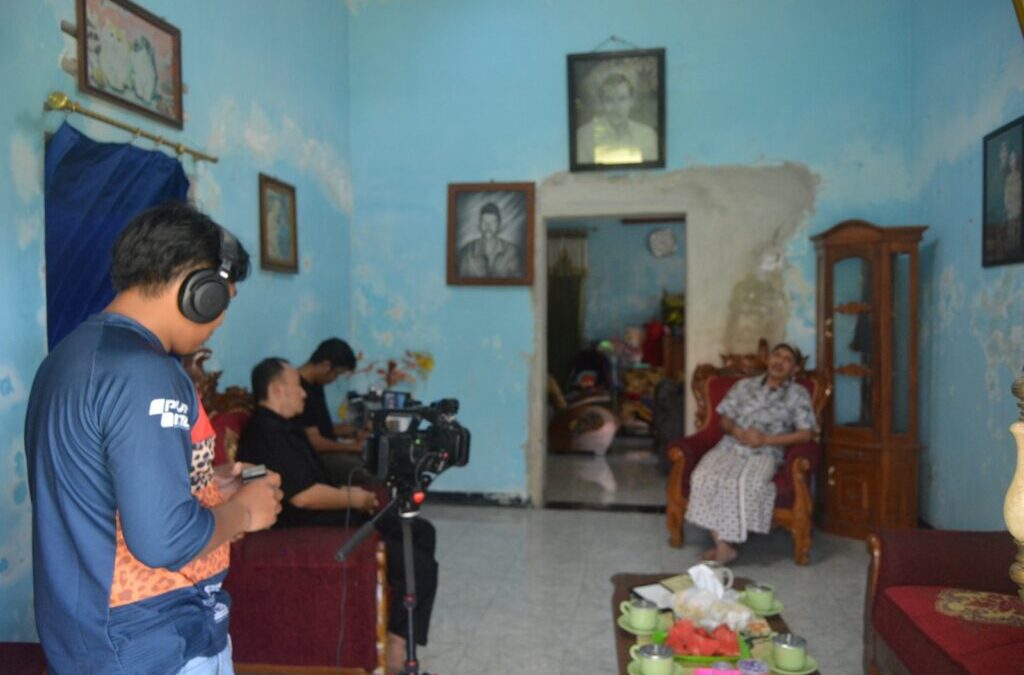
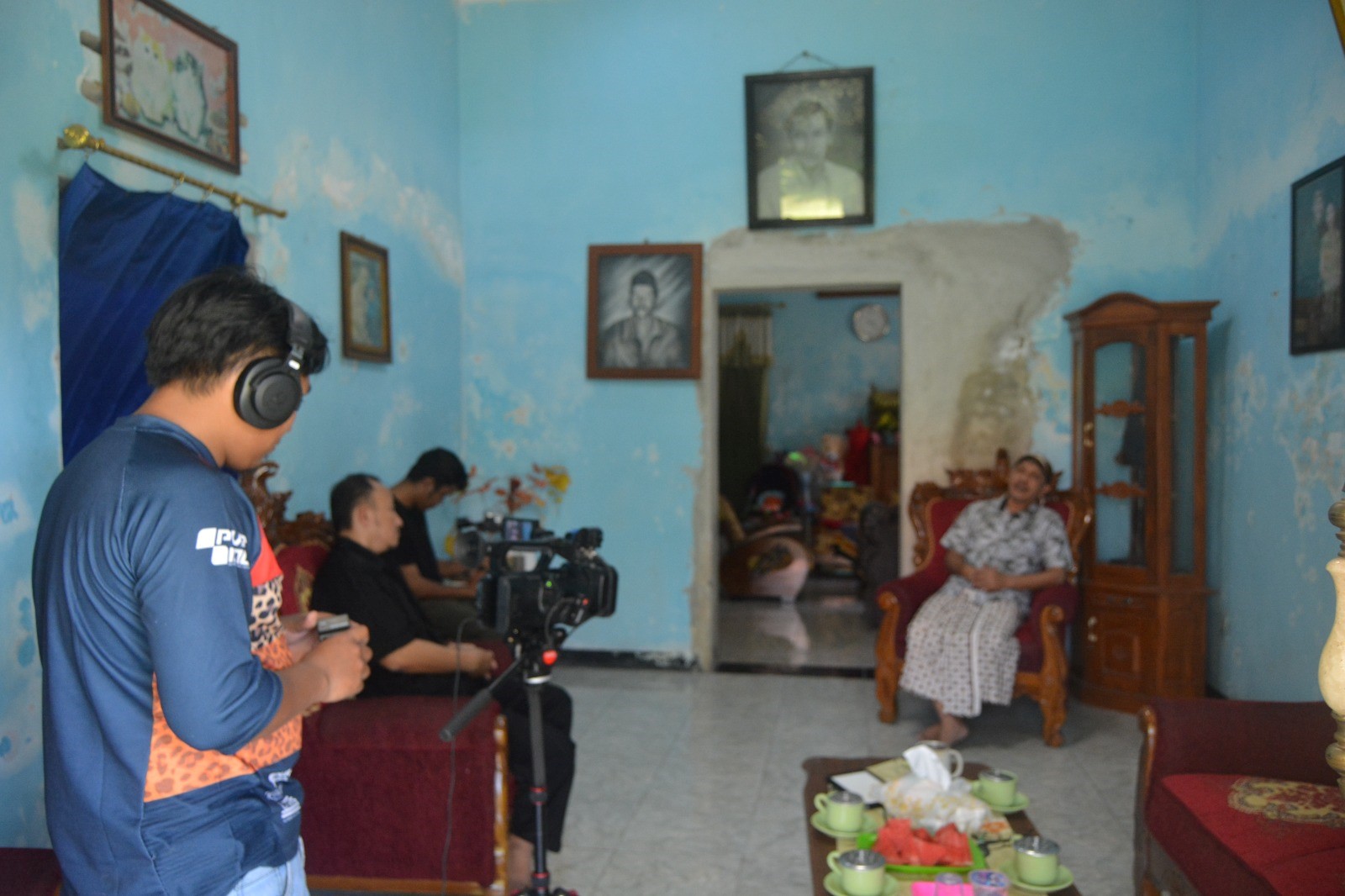
University of Malang is embarking on a unique journey to revive and celebrate the Wayang Potehi puppet show, a traditional art form that has been a part of Indonesian culture for centuries. This research team is led by Dr. Rudi Irawanto, S.Pd, M.Sn, with four researchers namely Dr. Tri Wahyuningyas, S.Pd, M.Si, Dr. Ike Ratnawati, S.Pd, M.Pd, Hartono, S.Sn, M.Sn, Novian Wahyu Firmansyah, S.Sn., M.Sn., a student from our university namely I Made Ari Paramahesvara, and an assistant namely Inasia Alia Albari. This research initiative, conducted in collaboration with Raja Iskandar Bin Raja Halid, a distinguished foreign researcher from University Malaysia Kelantan, aims to produce a documentary film that not only showcases the beauty and intricacy of the Wayang Potehi puppet show but also promotes the message of religious moderation.
The objectives of this research are clear and compelling, including to explore the historical and cultural significance of the Wayang Potehi puppet show; to understand its role in promoting religious moderation and harmony; to produce a documentary film that captures the essence of this art form, making it accessible to a wider audience; and to engage with local communities, artists, and stakeholders, ensuring that the project is inclusive and representative.
The expected results of this research go beyond the academic realm. The documentary film will serve as a testament to the rich cultural heritage of Indonesia, preserving it for future generations. It will also be a powerful tool in promoting religious moderation, fostering a sense of unity and understanding among diverse communities.
This research initiative aligns perfectly with the global Sustainable Development Goal (SDG) of “Sustainable Cities and Communities.” By preserving and promoting traditional art forms like the Wayang Potehi puppet show, we are contributing to the sustainability of our cultural heritage, ensuring that it continues to thrive and inspire. This alignment with the SDG reflects our commitment to not only preserving the past but also shaping a sustainable future.
The compatibility of this program with the SDG of Sustainable Cities and Communities is both inspiring and essential. In an age where urbanization and modernization often lead to the erosion of traditional values and art forms, initiatives like this are vital in preserving our cultural identity. The Wayang Potehi puppet show is not just a form of entertainment; it’s a symbol of our shared history, values, and aspirations. By celebrating and preserving it, we are building bridges between generations, fostering a sense of community, and contributing to the sustainability of our cities and communities.
In conclusion, our collaboration with University Malaysia Kelantan and the focus on the Wayang Potehi puppet show represents a visionary step forward in our commitment to cultural preservation and religious harmony. Together, we are reviving tradition, promoting harmony, and sketching a brighter, more inclusive future. We invite the campus community, stakeholders, and all interested parties to engage with and support this transformative project. Together, we can shape the future of education, ensuring that it is inclusive, equitable, and truly personalized.
In a world where images speak louder than words, political cartoons have become a powerful medium for expressing opinions, critiquing policies, and sparking debates. The University of Malang is excited to announce a groundbreaking research initiative that aims to explore the visual culture and gestures of political cartoons in the national mass media, specifically examining the conflict between the government and opposition parties leading up to the 2024 elections.
This research team is led by Dr. Pujiyanto, M.Sn, with two researchers namely Fariza Wahyu Arizal, S.Sn., Abdul Rahman Prasetyo, S.Pd., M.Pd, two students from our university namely Nevana Katyusa Kusuma and Nasywaa Azizah, and an assistant namely Amalia Arifah. We are honored to collaborate with Roshida Abdul Majid, a renowned foreign researcher from Universiti Teknologi Malaysia, in this research. Her expertise and insights will significantly contribute to the depth and success of this project, fostering a spirit of international cooperation and academic excellence.
The objectives of this research are multifaceted, including to analyze the visual culture and gestures of political cartoons, understanding their role in shaping public opinion; to explore the conflict between the government and opposition parties through the lens of political cartoons; to provide insights into the power dynamics, biases, and narratives present in political cartoons; and to contribute to the broader field of design by examining the artistic and communicative aspects of political cartoons.
The expected results of this research are transformative. The insights gained from this study will not only enhance our understanding of political cartoons but also provide a unique perspective on the political landscape leading up to the 2024 elections. The results will be shared through various channels, including conferences, workshops, and academic journals.
This research initiative aligns perfectly with the global Sustainable Development Goal (SDG) of “Strong Institutions.” By exploring political cartoons and their role in shaping political discourse, we are contributing to the understanding and strengthening of democratic institutions.
The compatibility of this program with the SDG of Strong Institutions is both insightful and essential. Political cartoons are more than mere illustrations; they are a reflection of our democratic values, political dynamics, and societal norms. By examining them, we are delving into the very fabric of our democratic institutions, understanding their strengths, weaknesses, and complexities. This alignment with the SDG reflects our commitment to not only advancing the field of design but also contributing to the strengthening of our democratic institutions.
In conclusion, our collaboration with Universiti Teknologi Malaysia and the focus on political cartoons and visual culture represents a visionary step forward in our commitment to excellence in research and education. Together, we are drawing democracy, exploring visual culture, and shaping a more informed and engaged society. We invite the campus community, stakeholders, and all interested parties to engage with and support this transformative project.
In an era where digital devices have become an integral part of our daily lives, understanding digital ethics and protection is paramount. Recognizing this need, our institution has embarked on a groundbreaking research project aimed at developing an assessment instrument that will bolster student awareness in the realm of digital ethics and protection.
This research team is led by Dr. Primardiana H. W., M. Pd., with three researchers namely Prof. Dr. Ali Imron, M.Pd., M.Sc., Lydia Amalia Rahmania, M.Kom, Dr. Ludi Wishnu Wardana, M.M., two students from our university, namely Oryza Kumala Putri and Jeni Natasya, and an assistant, namely Heny Setyowati. We are thrilled to announce that this research is also collaborating with esteemed foreign researcher, Martin Ebner from Graz University of Technology – Austria. His expertise, combined with the knowledge and dedication of our in-house team, promises to bring forth an instrument that will not only be academically rigorous but also practically relevant.
This initiative aligns seamlessly with the United Nations’ Sustainable Development Goals (SDGs), particularly the goal of “Quality Education.” By equipping students with the knowledge and tools to navigate the digital world ethically and safely, we are laying the foundation for a more informed and responsible digital citizenry. Such an endeavor is not just about imparting knowledge; it’s about shaping the digital landscape of the future, ensuring that it is inclusive, safe, and beneficial for all.
The importance of digital ethics cannot be overstated in today’s interconnected world. From understanding the implications of data privacy to recognizing the societal impact of digital actions, this research aims to cover the gamut of issues that students might encounter. And with the involvement of Martin Ebner, whose work in the field has received international acclaim, we are confident that the outcomes will be both innovative and impactful.
Furthermore, this research is generously funded by a grant, underscoring the importance and urgency of the project. The focus on developing a STEM-based learning model ensures that the approach will be holistic, integrating science, technology, engineering, and mathematics to provide a comprehensive understanding of digital ethics.
In conclusion, as we move forward in this digital age, initiatives like these are crucial in ensuring that our students are not only consumers of digital content but also responsible digital citizens. We are excited about the possibilities this research holds and are committed to sharing its findings and tools with the broader community, ensuring that the benefits are widespread.
In an era where education is constantly evolving, the University of Malang is proud to announce a pioneering research initiative that aims to explore the effect of the flipped classroom model on EFL students’ writing ability and their perceptions of learning autonomy. This innovative approach to teaching and learning is set to transform the way English is taught, making it more engaging, effective, and student-centered.
This research team is led by Prof. Drs. Bambang Yudi Cahyono, M.Pd, M.A., Ph.D., two reseachers namely Fransisca Maria Ivone, S.Pd., M.A., Ph.D and Dr. Utari Praba Astuti, M.A., a student from our university namely Titik Lina Widyaningsih, and an assistant Nadia Galis Cahya Anugrah. We are honored to collaborate with Jitpanat Suwanthep, Ph.D., a renowned foreign researcher from Suranaree University of Technology, in this research. His expertise and insights will significantly contribute to the success of this project, fostering a spirit of international cooperation and academic excellence.
The flipped classroom model is a revolutionary teaching approach that reverses traditional learning. Instead of lecturing in class and assigning homework, teachers assign instructional content for students to engage with outside of class, freeing up classroom time for interactive exercises and collaborative projects. This approach not only enhances students’ writing ability but also fosters a sense of autonomy and responsibility in their learning.
The objectives of this research are multifaceted, including to investigate the effect of the flipped classroom model on EFL students’ writing ability; to explore students’ perceptions of learning autonomy when engaged in a flipped classroom environment; and to provide actionable insights and strategies for educators looking to implement this teaching approach.
The expected results of this research are transformative. The insights gained from this study will not only enhance our understanding of the flipped classroom model but also provide a blueprint for educators looking to make their teaching more engaging and student-centered. The results will be shared through various channels, including conferences, workshops, and publications.
This research initiative aligns perfectly with the global Sustainable Development Goal (SDG) of “Quality Education.” By exploring innovative teaching approaches like the flipped classroom model, we are taking significant steps towards ensuring inclusive and equitable quality education for all.
The compatibility of this program with the SDG of Quality Education is both inspiring and essential. In today’s fast-paced world, education must be adaptable, engaging, and student-centered. The flipped classroom model represents a commitment to fostering a culture of innovation, autonomy, and lifelong learning. By tailoring the educational experience to individual needs, we are ensuring that every student has the opportunity to thrive and succeed.
In conclusion, our collaboration with Suranaree University of Technology and the focus on the flipped classroom model represents a visionary step forward in our commitment to excellence in education. Together, we are flipping the classroom, enhancing writing ability, and fostering autonomy, ensuring that education is not just a privilege but a right that is accessible to all.




 Indonesian
  English