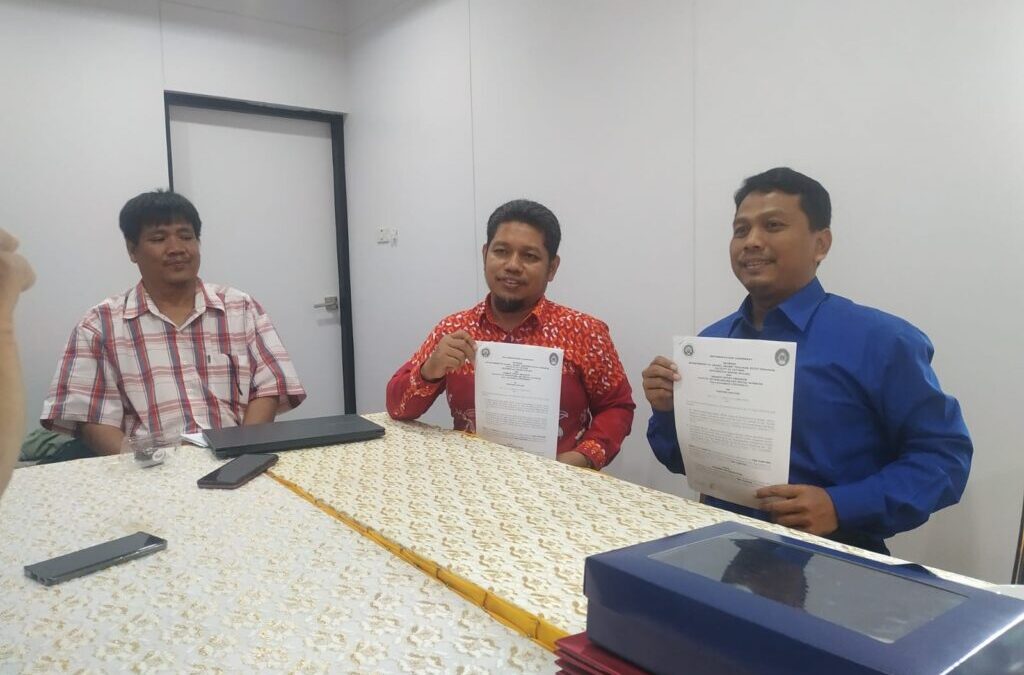
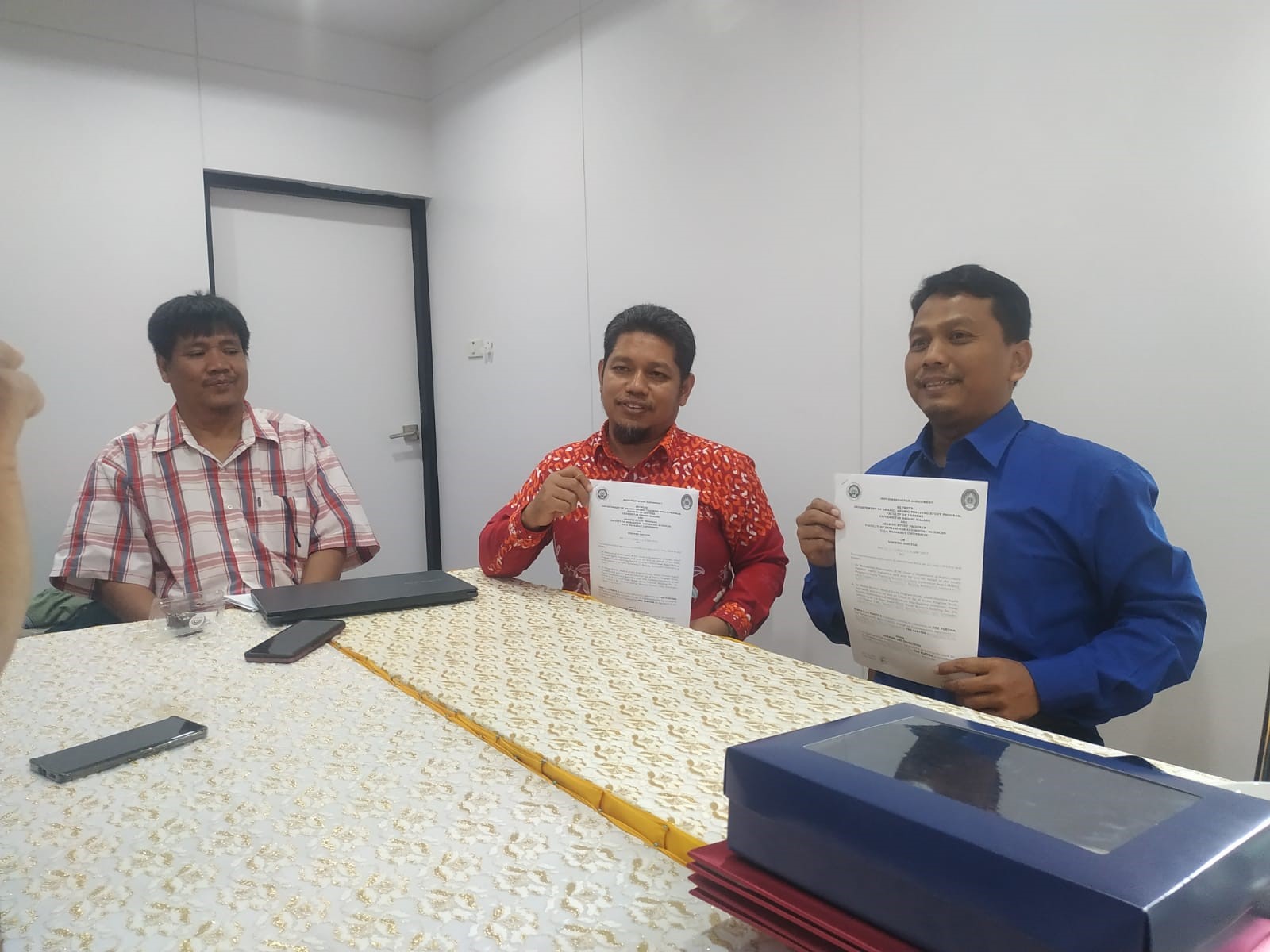
Amidst a global landscape where communication defies geographical boundaries, the imperative of language education has never been more pronounced. Fueled by a deep-seated acknowledgment of the significance of Arabic language mastery, the State University of Malang strides forward with a visionary research endeavor that seeks to elevate the listening and speaking acumen of fifth-grade students. This research was led by Dr. Mohammad Ahsanuddin, M.Pd., with Nilla Shefia as the member. Teaming up with Romyi Morhi of Yala Rajabhat University, this pioneering initiative stands poised to reimagine Arabic language education through the transformative power of interactive learning media.
The project’s innovative approach involves the use of Lectora Inspire and Plotagon Story, cutting-edge tools that transform traditional language learning into an engaging and interactive experience. By integrating technology into the curriculum, the research team seeks to foster a deeper understanding of the Arabic language, making it more accessible and enjoyable for young learners.
The collaboration with Romyi Morhi from Yala Rajabhat University adds an international dimension to this research. His expertise in language education and his connection to a prominent Thai university will provide valuable insights and contribute to the project’s success.
This research initiative aligns with the global Sustainable Development Goal (SDG) of “Quality Education.” By enhancing language education through interactive media, we are not only improving the quality of education but also promoting lifelong learning opportunities. The compatibility of this program with the SDG of Quality Education is clear. In a globalized world, language proficiency is essential for personal development, social integration, and economic advancement. By focusing on Arabic language skills, we are contributing to a more inclusive and connected global community.
The expected outcomes of this research are transformative. The integration of Lectora Inspire and Plotagon Story into the Arabic language curriculum will create a dynamic learning environment that caters to different learning styles. It will also promote cultural awareness, as students engage with authentic Arabic texts and contexts. The collaboration with Yala Rajabhat University further emphasizes the international relevance of this project, bridging gaps between cultures and fostering global understanding.
In conclusion, our collaboration with Yala Rajabhat University and the focus on interactive media represents a significant step in our commitment to quality education. Together, we are reimagining language education, making it more engaging, effective, and aligned with the needs of the 21st century. We invite the campus community, stakeholders, and all interested parties to engage with and support this innovative project.
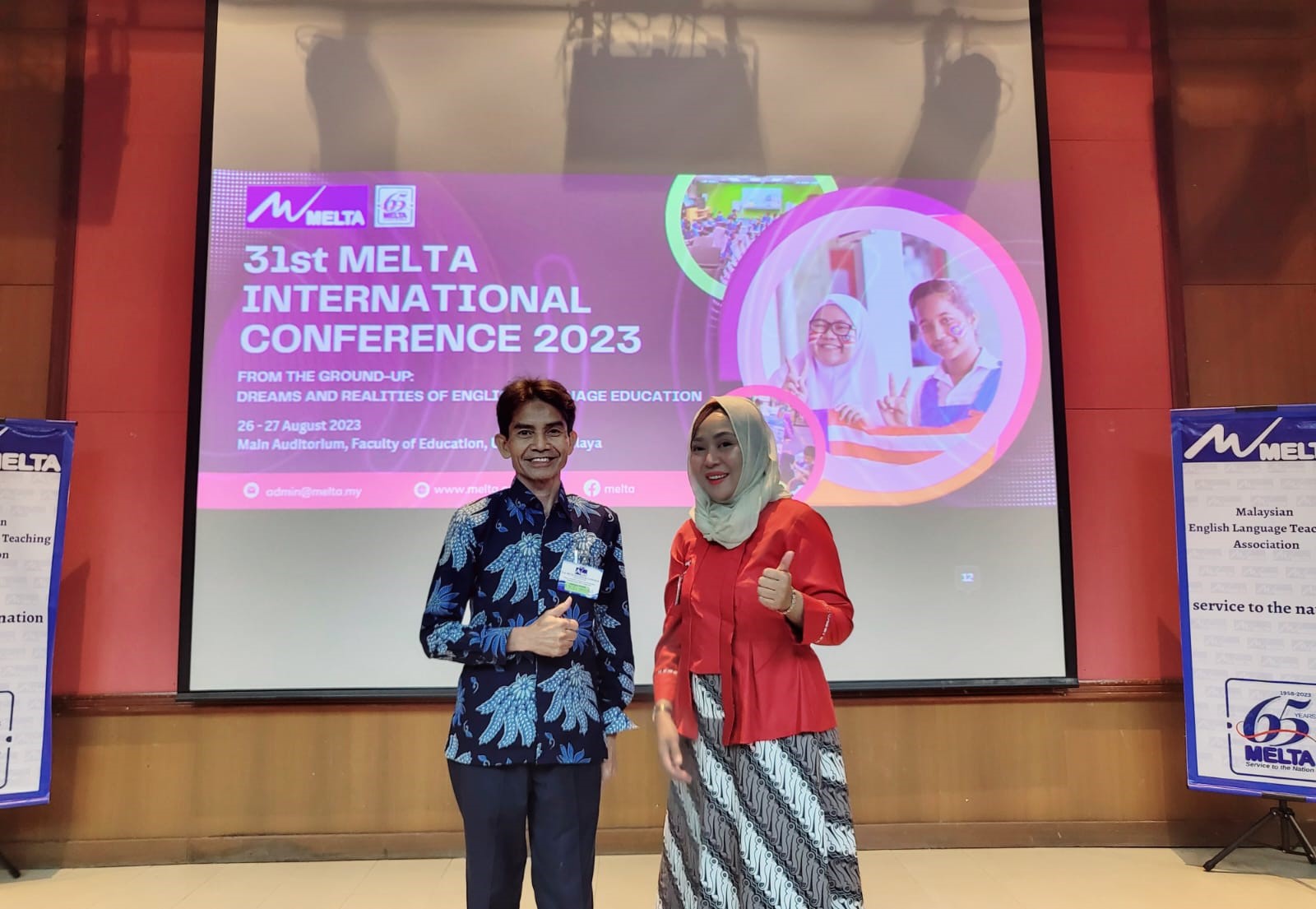
Universitas Negeri Malang (UM) is proud to announce a pioneering research project that aims to enhance English as a Foreign Language (EFL) students’ communicative performance. This research team is led by Prof. Drs. Bambang Yudi Cahyono, M.Pd, M.A., Ph.D., a researcher namely Prof. Dr. Nur Mukminatien, M.Pd, a student from our university namely Oktavia Widastuti, and an assistant Nadia Galis Cahya Anugrah. This initiative, conducted in collaboration with Prof. Greg Kessler from Ohio University, leverages technology-enhanced speaking tasks to connect students with an authentic online audience.
Language is more than a tool for communication; it’s a bridge that connects cultures, ideas, and people. The ability to communicate effectively in English opens doors to global opportunities and fosters cross-cultural understanding. Recognizing this, UM has embarked on a research journey to explore innovative ways to improve EFL students’ speaking skills.
The collaboration with Prof. Greg Kessler from Ohio University adds a global perspective to this research. His expertise in technology-enhanced language learning will guide the project, ensuring that the speaking tasks are not only engaging but also effective in achieving the desired learning outcomes.
This research initiative aligns with the global Sustainable Development Goal (SDG) of “Quality Education.” By utilizing technology to enhance language learning, we are democratizing education, making it accessible and engaging for all. The use of authentic online audiences adds a real-world dimension to the learning experience, preparing students for the global stage.
The compatibility of this program with the SDG of Quality Education is profound. Education is not merely about acquiring knowledge; it’s about empowering individuals to communicate, collaborate, and contribute to society. By enhancing EFL students’ communicative performance, we are nurturing global citizens who can navigate the complexities of our interconnected world.
The expected outcomes of this research are transformative. The technology-enhanced speaking tasks will not only improve students’ English proficiency but also foster critical thinking, creativity, and collaboration. The insights gained from this study will inform future educational practices, setting a new standard for technology-driven language learning.
In conclusion, our collaboration with Ohio University and the focus on technology-enhanced speaking tasks represents a visionary step in our commitment to quality education. Together, we are bridging communication gaps, creating connections, and shaping a more inclusive, engaged learning community. We invite the campus community, stakeholders, and all interested parties to engage with and support this innovative project.
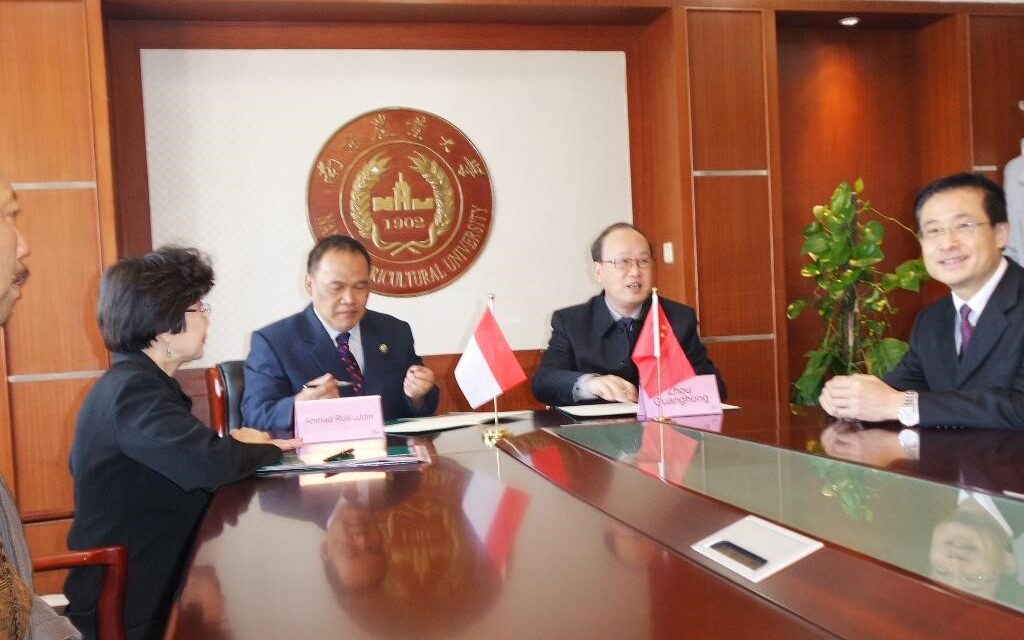
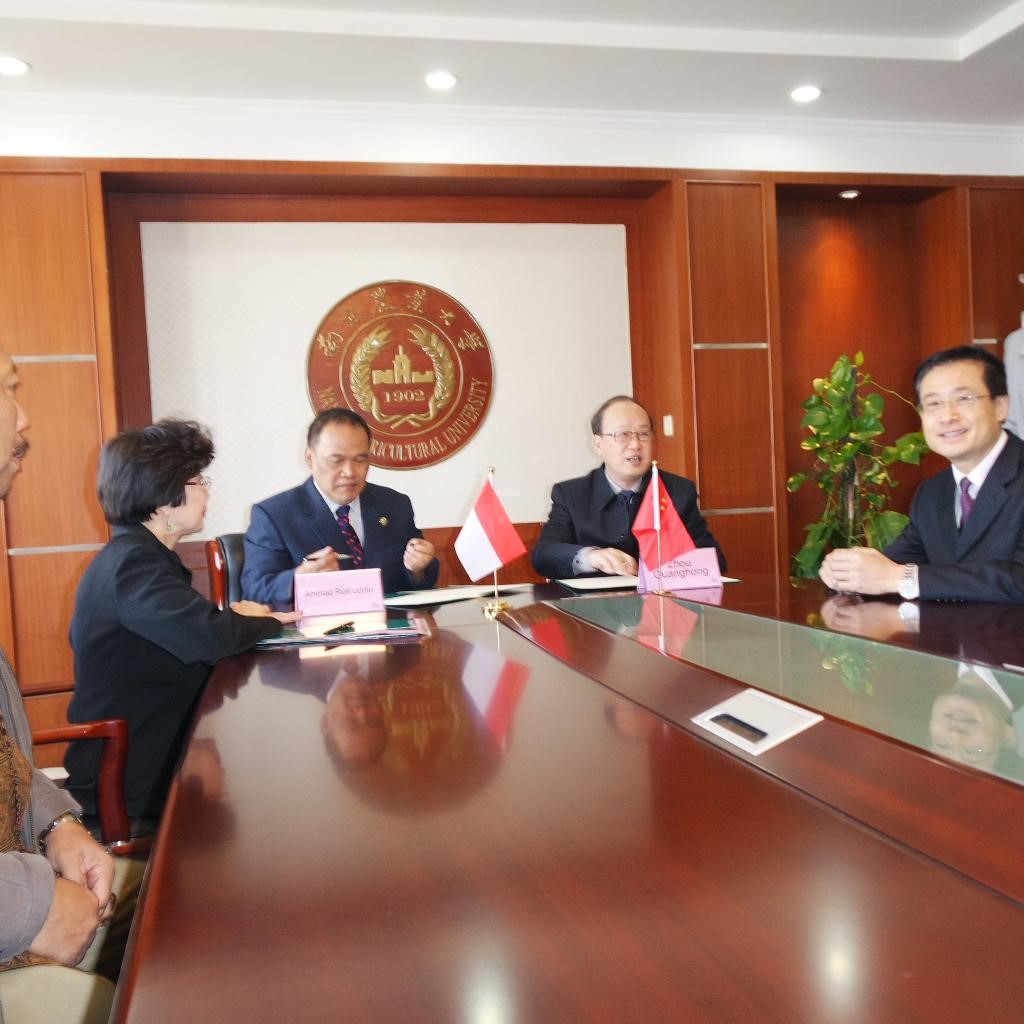
In an era where critical and creative thinking skills are paramount, Universitas Negeri Malang is leading a groundbreaking research project aimed at transforming Indonesian language education in high schools. This research team is led by Prof. Dr. Ahmad Rofi’udin , M.Pd., with three researchers namely Dr. Gatut Susanto, M.Pd., Dr. Didin Widyartono, M.Pd., Helmi Muzaki, M.Pd., a student from our university namely Nova Shufia T, and an assistant namely Fajerin Nur Syafitri. This initiative, conducted in collaboration with David Pickus, a foreign researcher from Zhejiang University, seeks to develop a model that fosters critical and creative thinking through the teaching of the Indonesian language.
The project’s innovative approach recognizes the power of language as a tool for cognitive development. By integrating critical and creative thinking into the Indonesian language curriculum, the research team aims to provide students with the skills they need to navigate the complex challenges of the 21st century.
The collaboration with David Pickus from Zhejiang University adds a global perspective to this research. His expertise in language education and his connection to a prestigious Chinese university will provide valuable insights and contribute to the project’s success.
This research initiative aligns with the global Sustainable Development Goal (SDG) of “Quality Education.” By enhancing language education through a focus on critical and creative thinking, we are not only improving the quality of education but also empowering students to become active and responsible global citizens. The compatibility of this program with the SDG of Quality Education is evident. In a rapidly changing world, the ability to think critically and creatively is essential for personal growth, social engagement, and economic prosperity.
The expected outcomes of this research are transformative. The development of a model that integrates critical and creative thinking into the Indonesian language curriculum will create a dynamic and engaging learning environment. It will also promote cultural awareness and national identity, as students engage with the rich and diverse heritage of the Indonesian language. The collaboration with Zhejiang University further emphasizes the international relevance of this project, bridging cultural gaps and fostering global collaboration.
In conclusion, our collaboration with Zhejiang University and the focus on critical and creative thinking represents a significant advancement in our commitment to quality education. Together, we are redefining language education, making it more relevant, effective, and aligned with the needs of today’s world. We invite the campus community, stakeholders, and all interested parties to engage with and support this pioneering project.
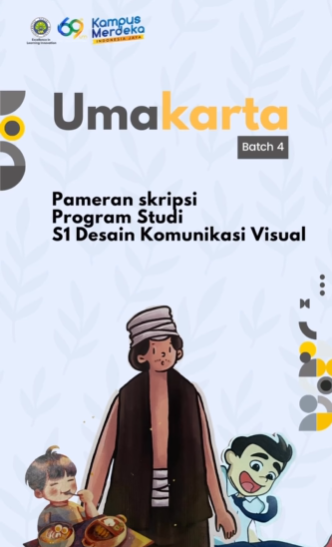
Malang, Indonesia – July 20, 2023 – Calling all art enthusiasts and creative minds! The Bachelor’s program in Visual Communication Design (VCD) at the Faculty of Literature, University of Malang, is proud to present “Umakarta Batch 4.” This captivating exhibition is a showcase of the remarkable talents and achievements of its graduating students.
“Umakarta Batch 4” promises an extraordinary visual journey that encapsulates the essence of visual storytelling, branding, and artistic expression. The exhibition will run from July 25 to July 28, 2023, providing visitors with a unique opportunity to immerse themselves in the world of visual communication.
For those unfamiliar with the term, “Umakarta” is a combination of “UM” from the University of Malang and “karta,” which means “art” in Javanese. This innovative exhibition series has gained a reputation for unveiling the creativity and ingenuity of VCD students who are on the cusp of entering the professional design world.
Visitors to “Umakarta Batch 4” can anticipate a diverse array of art forms and projects that transcend traditional boundaries. Among the highlights are branding concepts that captivate the essence of businesses and organizations, visually striking illustration books, and an array of other creative works that serve as a testament to the students’ dedication and artistic prowess.
The event organizers have curated an immersive experience that will transport visitors into the minds of these talented artists. Each piece on display represents countless hours of research, design, and creative innovation. It’s a testament to the students’ commitment to pushing the boundaries of what’s possible in visual communication.
Visual Communication Design, often abbreviated as VCD, is a field that combines creativity with strategic thinking. Students in this program learn to communicate messages effectively using various visual elements, such as graphic design, illustration, and branding. “Umakarta Batch 4” reflects the program’s commitment to nurturing the next generation of creative professionals.
One of the remarkable aspects of this exhibition is its dedication to pushing the boundaries of conventional design. The students have embraced innovation, exploring new techniques and mediums to bring their visions to life. As a result, visitors can expect to be both inspired and challenged by the fresh perspectives presented in “Umakarta Batch 4.”
Dean of the Faculty of Literature, Dr. Maria Santoso, expressed her excitement about the upcoming exhibition, saying, “Umakarta has become an integral part of our creative calendar. It’s a testament to our commitment to fostering artistic excellence and preparing our students for success in the competitive world of design.”
She continued, “The work on display is not just the culmination of years of hard work and dedication but also a reflection of the students’ ability to tackle complex design challenges with innovative solutions. I encourage everyone to visit ‘Umakarta Batch 4’ and witness the future of visual communication.”
The exhibition will not only be a visual feast but also an opportunity for visitors to engage with the artists, learn about their creative processes, and gain insights into the world of visual communication design. It’s an event that promises to ignite conversations and spark inspiration.
“Umakarta Batch 4” invites everyone, from design aficionados to the casually curious, to explore the rich tapestry of creativity and innovation that defines the world of visual communication. The event’s location within the Faculty of Literature provides an ideal backdrop for this exploration, with its vibrant atmosphere and commitment to nurturing artistic talent.
So, mark your calendars for this extraordinary event. “Umakarta Batch 4” promises to be a celebration of creativity, a testament to dedication, and a glimpse into the future of visual communication design. Don’t miss the chance to witness the transformational power of art and design in action!
Malang, Indonesia – August 3, 2023 – Calling all enthusiastic students! Are you ready to seize the opportunity to embark on an exciting journey of student exchange and internships? If your answer is a resounding yes, then you’re in luck!
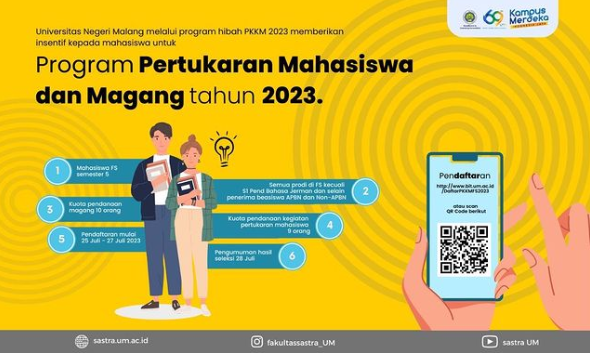
In 2023, the University of Malang (UM) has received the second-year installment of the PKKM Grant (Program Kemitraan dan Kerjasama Mahasiswa or Student Partnership and Collaboration Program) for 2022. This grant offers incentives to a total of 19 students from the Faculty of Literature to participate in domestic mobility programs.
The PKKM Grant, designed to enhance students’ academic and cultural experiences, provides a platform for students to engage in student exchange programs and internships. These initiatives enable students to explore diverse learning environments, gain valuable insights into their chosen fields, and foster cross-cultural understanding.
To be eligible for this incredible opportunity, students need to meet specific selection criteria and adhere to the application process outlined in the provided flyer. The flyer contains detailed information regarding the program’s requirements and instructions on how to apply.
This grant reflects UM’s commitment to empowering its students to become global citizens, equipped with the skills and knowledge needed to excel in an increasingly interconnected world. By participating in student exchange programs and internships, students can broaden their horizons, strengthen their academic and professional profiles, and build lasting connections with peers from different backgrounds.
Student exchange programs, often considered a life-changing experience, allow students to spend a semester or academic year studying at a partner university. This not only enriches their academic pursuits but also exposes them to new cultures, languages, and teaching methodologies.
Moreover, internships provide students with the chance to apply their classroom knowledge in real-world settings. They gain hands-on experience, develop industry-specific skills, and build a network of professional contacts. Internships are instrumental in helping students make informed career choices and prepare for the job market.
Dr. Maria Santoso, Dean of the Faculty of Literature, expressed her excitement about the opportunities the PKKM Grant brings. “This grant aligns perfectly with our mission to provide our students with a well-rounded education that extends beyond the classroom. It’s a chance for our students to grow personally and professionally.”
She further added, “Participating in student exchange programs and internships fosters independence, adaptability, and cultural competence – qualities that are highly valued in today’s global job market. We encourage all eligible students to explore this fantastic opportunity.”
To ensure that the selection process is fair and transparent, a panel of experts will review the applications. This panel will consider factors such as academic performance, language proficiency, and a genuine passion for the chosen program. Shortlisted candidates will be invited for interviews to further assess their suitability.
The PKKM Grant has a track record of transforming students’ lives and broadening their perspectives. Students who have previously participated in these programs often return with newfound confidence and a deeper understanding of their field of study. Many also develop lifelong friendships with fellow students and mentors.
The deadline for submitting applications is approaching, so interested students are urged to act promptly. This is an opportunity to take your education to the next level, gain a competitive edge in your chosen field, and create memories that will last a lifetime.
To access the detailed selection criteria and application process, please refer to the flyer provided. Don’t miss this chance to expand your horizons and make the most of your academic journey at UM. It’s time to embark on a remarkable adventure of learning, growth, and discovery!
Malang, Indonesia – July 25, 2023 – On Thursday, July 25, 2023, the Faculty of Literature held a scientific discussion with the title “The Potential of Artificial Intelligence to Improve the Quality of Learning.” This event, featuring Prof. Dr. Ir. Richardus Eko Indrajit, M.Sc, M.B.A., M.Phil, M.A., as the keynote speaker, garnered tremendous enthusiasm and participation from both faculty members and students alike!
Wholeheartedly engaged, participants delved into the concepts of artificial intelligence (AI), seeking to craft innovative approaches to teaching and learning that leverage the power of AI. The intersection of technology and education has emerged as a cornerstone for the advancement of knowledge.
The discussion served as more than just an eye-opener; it provided a platform for participants to collaborate and exchange insights regarding the utilization of artificial intelligence in the educational landscape.
In the opening remarks, Professor Dr. Ir. Richardus Eko Indrajit emphasized the transformative potential of AI in the realm of education. He highlighted how AI-driven tools and technologies have the capacity to revolutionize traditional teaching methods, making them more efficient and personalized to individual student needs.
“As we stand at the cusp of the AI era, it is paramount that educators and learners embrace the opportunities it offers. AI can analyze vast amounts of data, adapt to student progress, and provide insights that can inform teaching strategies,” remarked Prof. Dr. Ir. Richardus Eko Indrajit.
The discussion encompassed a wide array of topics, ranging from AI-powered virtual tutors and chatbots that provide immediate assistance to students, to the use of data analytics for identifying learning gaps and tailoring curriculum content. Participants were introduced to cutting-edge AI applications that have the potential to redefine the educational landscape.
One of the highlights of the event was the presentation of case studies and ongoing research projects by faculty members. These initiatives demonstrated how AI is currently being integrated into various educational contexts, from early childhood education to higher education.
Dr. Maya Suryani, a faculty member, shared her research on the implementation of AI-driven virtual labs in science courses. She explained how these labs not only enhance the quality of experimentation but also provide students with a dynamic, interactive learning experience.
The event also featured interactive sessions, where participants engaged in brainstorming exercises and workshops aimed at fostering creative ideas for harnessing AI in education. These sessions encouraged collaboration and cross-pollination of ideas, emphasizing that the future of education lies in synergy between technology and pedagogy.
While the potential of AI in education is undeniable, participants acknowledged that its effective integration requires careful planning, continuous evaluation, and teacher training. There was a consensus that AI should be viewed as a supportive tool, complementing rather than replacing human educators.
The scientific discussion concluded with a commitment to further exploration and experimentation in the realm of AI-driven education. Participants left with a renewed sense of purpose, ready to embark on a journey of innovation and transformation in their teaching and learning practices.
As the boundaries of what is possible in education continue to expand, events like these serve as a beacon, guiding educators and students towards a future where AI-powered learning is not just a possibility, but a reality that enhances the quality of education for all.



 English
  Indonesian