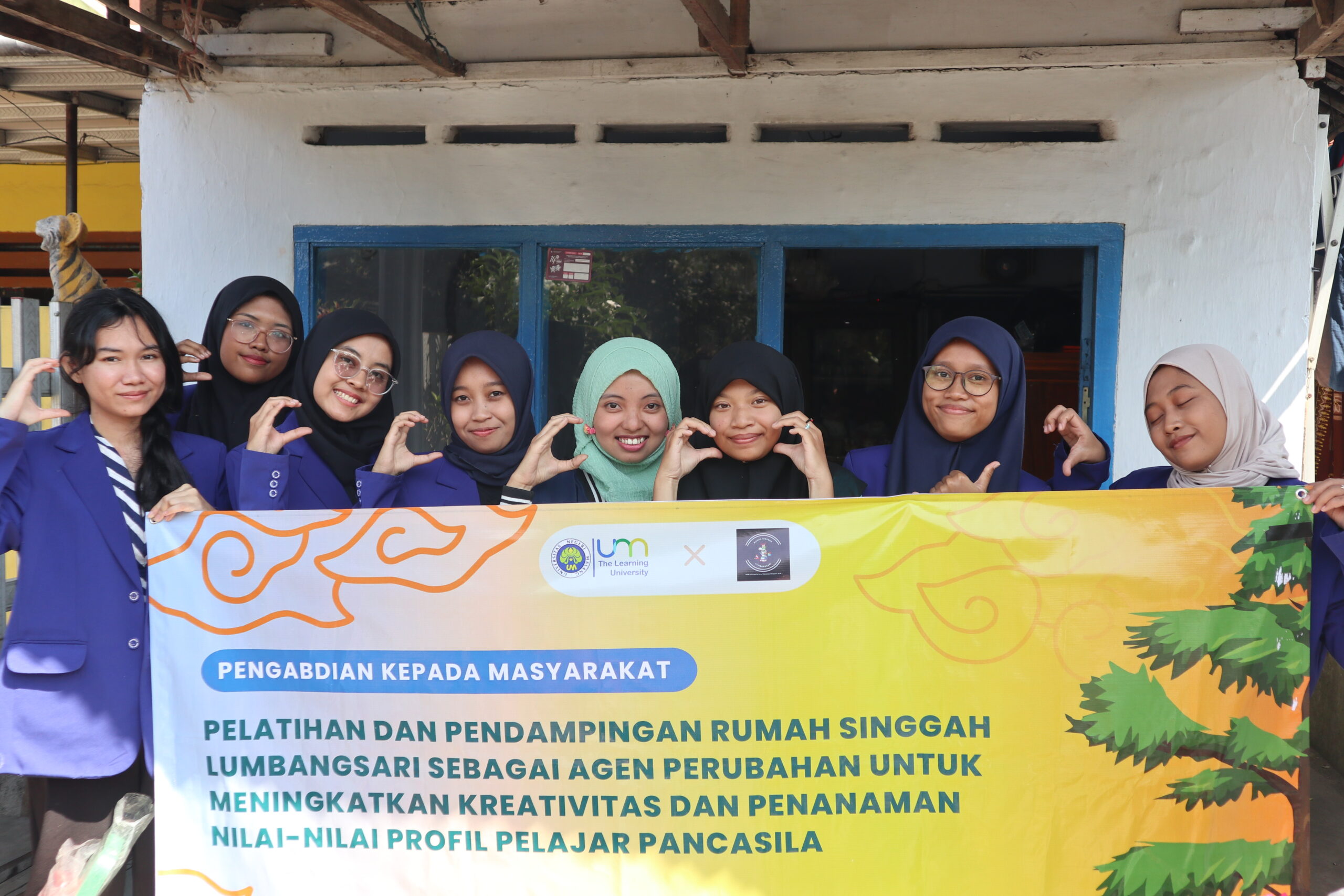
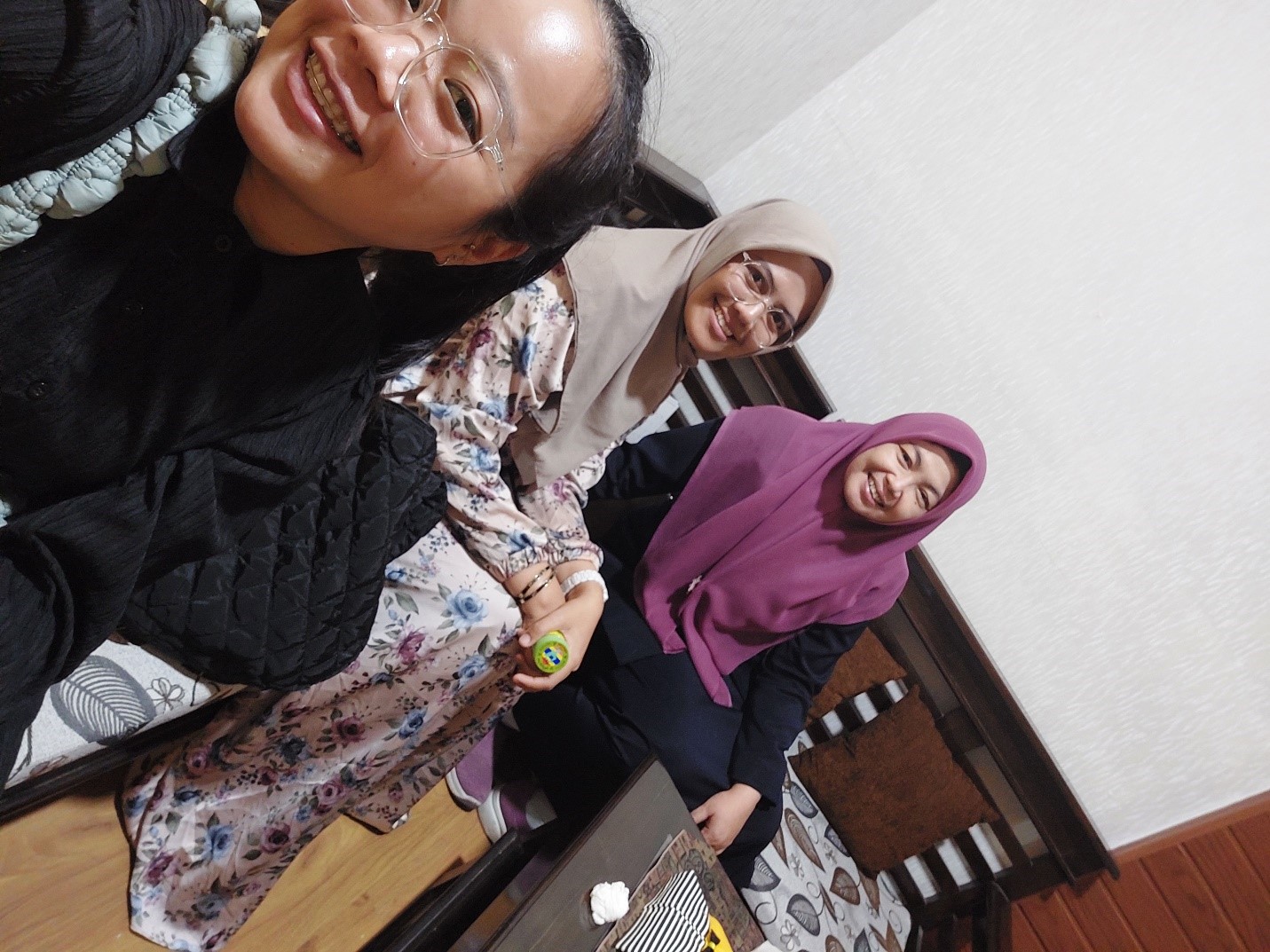
Kabupaten Malang – Sebagai Upaya meningkatkan kreativitas anak-anak desa lumbangsari, Mahasiswa Ilmu Perpustakaan Universitas Negeri Malang(UM) menyelenggarakan kegiatan storytelling menggunakan media wayang hasil daur ulang. Dengan menggandeng Rumah Singgah Lumbangsari yang dikelola oleh Putri Fauzi. Kegiatan tersebut dilaksanakan pada hari minggu (30/7) di halaman rumah warga RT 08. Dengan mengangkat tema “Bermain, Berkreasi dan Bercerita sebagai Pelajar Pancasila”.
Kegiatan ini diawali dengan penampilan wayang-wayangan yang membawakan cerita berjudul “Pemilahan Sampah bersama geng ijo” yang disampaikan oleh Kak Nathasa dan Kak Alvi. Adanya penggunaan wayang sebagai wahana bercerita berhasil meningkatkan minat anak-anak untuk ikut menceritakan imajinasinya.
Sesudah penyampaian materi tentang pemilahan sampah organik dan anorganik. Anak-anak dibimbing untuk membuat wayang-wayangan dengan berkreasi menggunakan bahan daur ulang yang ada di lingkungan sekitar.
Saat pembuatan wayang-wayangan telah selesai, Tim Pengabdian dari Ilmu Perpustakaan Universitas Negeri Malang (UM) yang dibantu oleh mahasiswa UM membimbing anak-anak untuk merangkai cerita sederhana. Kemudian mereka diberikan giliran untuk menceritakan apa yang telah dibuatnya. Adam dan Qolbi berkesempatan untuk menceritakan hasil kreasi mereka berupa buaya, singa dan ikan paus.
Tim pengabdian kepada masyarakat yang diketuai oleh Trisna Nurdiana, beranggotakan Nur Alvi Fadhilatus Sa’adah, Zahira Nathasa dan Ridha Rohmatul Ummah mendapatkan bimbingan dari dosen ilmu perpustakaan Moh. Safii , S.Kom, M.Hum.
Diharapkan dengan adanya program pengabdian kepada masyarakat yang bertajuk “ Pelatihan dan Pendampingan Rumah Singgah Lumbangsari sebagai Agen Perubahan untuk Meningkatkan Kreativitas dan Penanaman Nilai-Nilai Profil Pelajar Pancasila” dapat membantu Rumah Singgah Lumbangsari dalam merancang kegiatan dan menanamkan nilai-nilai profil pelajar Pancasila dalam setiap kegiatannya. (TRI)
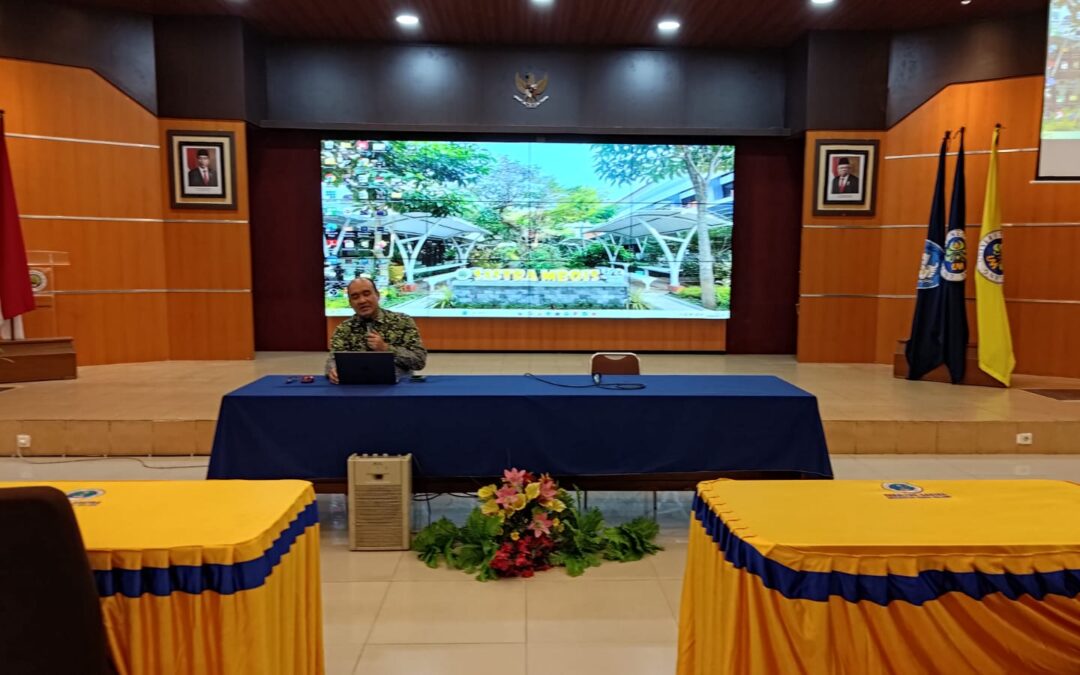
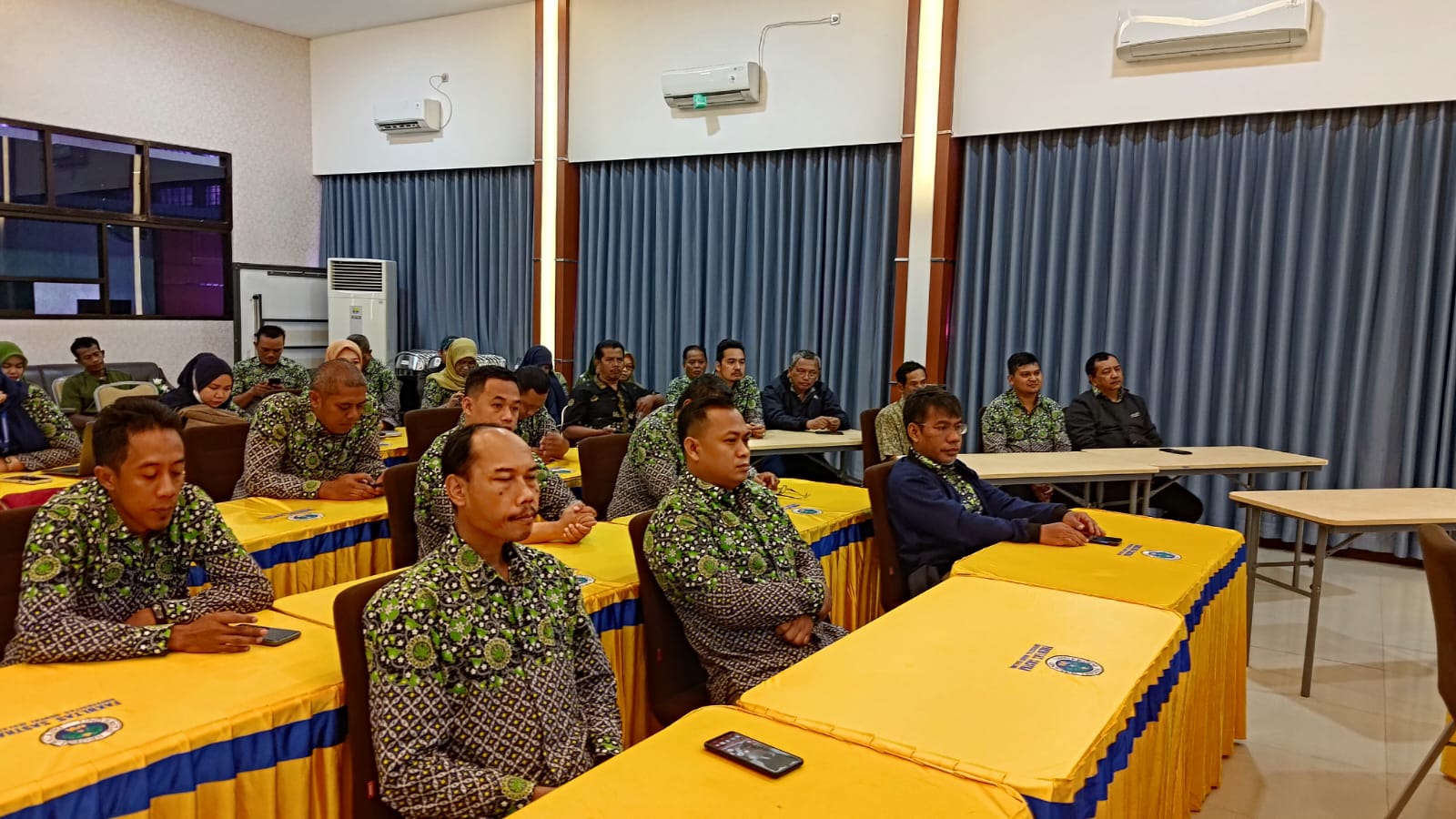
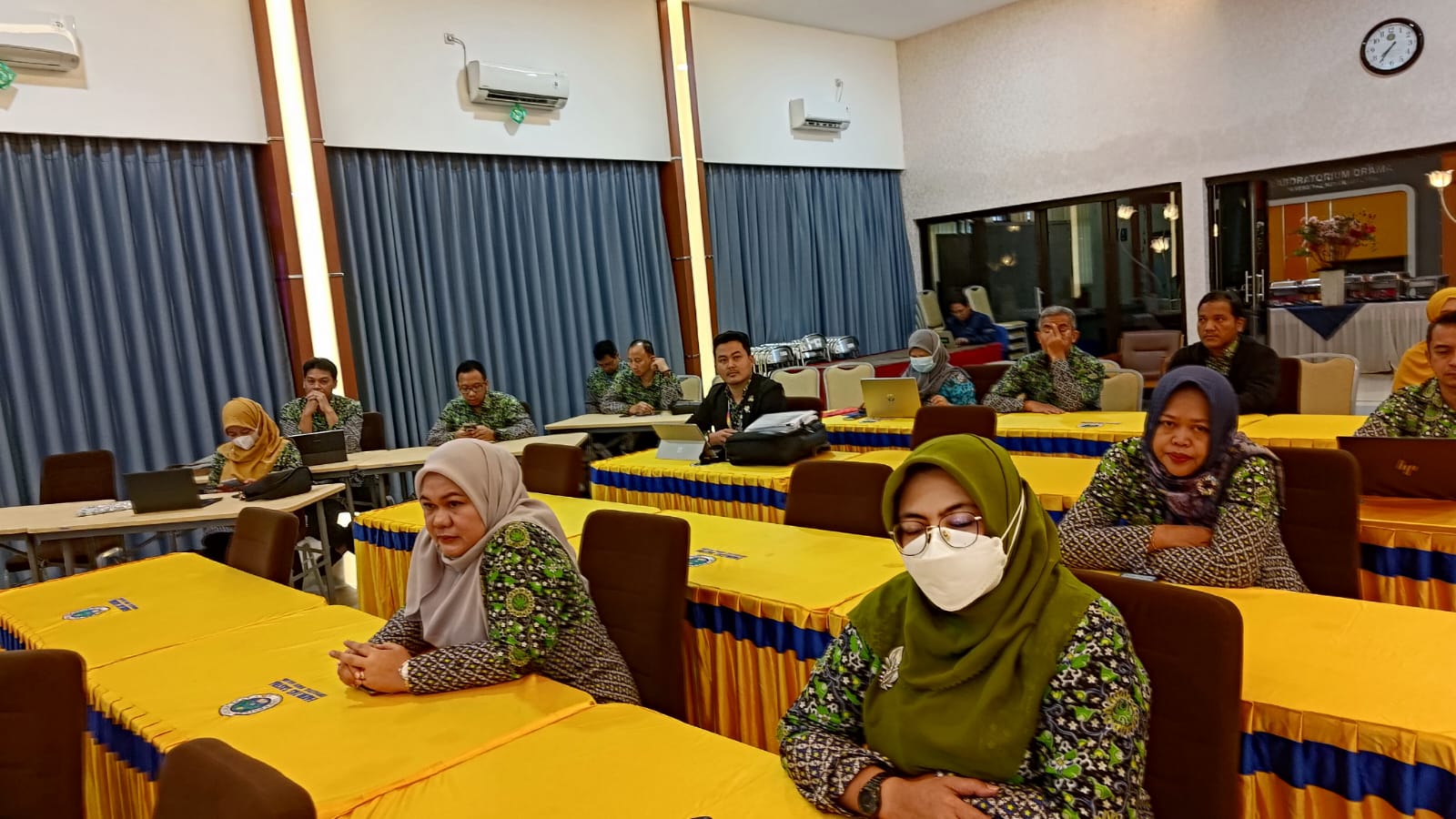
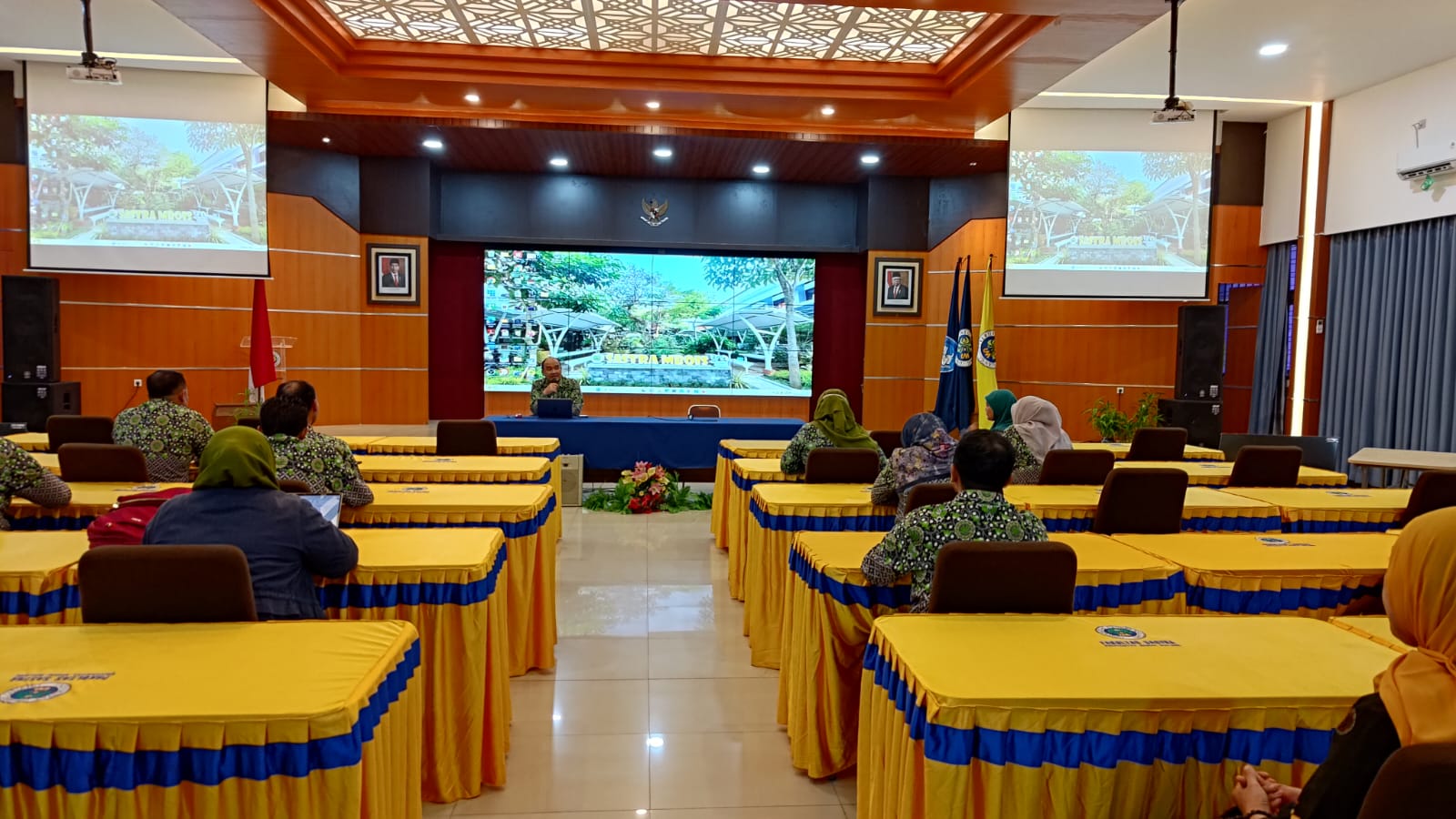
Dekan Fakultas Sastra membuka acara pagi ini, Rabu, 2 Agustus 2023 guna menyampaikan kabar gembira mengingat Fakultas Sastra baru saja dinobatkan sebagai Fakultas terbaik dengan sebagi “Fakultas Dengan Kinerja Tertinggi dan Tingkat Pertumbuhan Tertinggi “. Penghargaan tersebut mengungguli Fakultas-fakultas lain di Universitas Negeri Malang seperti FMIPA,FE, FIS,FPPsi, FIP dan FT. Data tersebut diperoleh dari data kinerja yang diunggah disistem um.ac.id yang tersinkronisasi di tingkat kementrian.
Disela Kegembiraan sebagai Fakultas Terbaik, dalam pidatonya Dr. Moch Syahri selaku Dekan Fakultas Sastra menjabarkan bahwa saat ini KPL bisa diakui sebagai indikator MBKM dan Jumlah 10 s.d 20 SKS bisa diakui oleh kemetrian. Ini dilakukan sebagai upaya peningkatan kualitas Universitas Negeri Malang di tingkat kementrian. Tentu ini merupakan kabar gembira bagi seluruh civitas akademika di Universitas Negeri Malang.
Dan saat ini Dari 60 Indikator Fakultas Sastra sudah mencapai 40 Indiokator yang sudah dipenuhi, mengingat dari 60 indikator harus ditempuh selama 1 tahun. Tentu saja dari nilai tersebut Fakultas Sastra layak mendapatkan Penghargaan tertinggi tersebut.
In a world that is increasingly interconnected, the ability to communicate across cultures is more vital than ever. Universitas Negeri Malang, in collaboration with Shainee Tamphu, a foreign researcher from Yala Rajabhat University, is pioneering a research project that aims to develop speaking learning materials to achieve socio-cultural competence in Indonesian language learning at an advanced level. This research team is led by Dr. Kusubakti Andajani, M.Pd, with three researchers namely Dr. Gatut Susanto, M.M., M.Pd, Prof. Dr. Imam Suyitno, M.Pd, Dr. Roekhan, M.Pd., two students from our university namely Ahsani Maulidina, M.Pd and Bambang Prastio, M.Pd.
Language is more than just words and grammar; it’s a gateway to understanding different cultures and perspectives. This research initiative recognizes the importance of socio-cultural competence in language learning, focusing on the Indonesian language. By integrating socio-cultural aspects into speaking learning materials, the project aims to provide learners with the tools they need to engage in meaningful cross-cultural communication.
The collaboration with Shainee Tamphu from Yala Rajabhat University adds depth and expertise to this research. Her knowledge and experience in South East Asian Studies will contribute to the development of materials that are not only linguistically accurate but also culturally relevant.
This research initiative aligns with the global Sustainable Development Goal (SDG) of “Quality Education.” By enhancing language education through a focus on socio-cultural competence, we are contributing to a more inclusive and equitable quality education. The compatibility of this program with the SDG of Quality Education is clear. In a globalized world, the ability to understand and appreciate different cultures is essential for fostering peace, collaboration, and mutual respect.
The expected outcomes of this research are transformative. The development of speaking learning materials that integrate socio-cultural competence will create a more engaging and effective learning experience. It will also promote cultural awareness and empathy, as learners engage with the rich and diverse cultural heritage of Indonesia and the broader South East Asian region.
In conclusion, our collaboration with Yala Rajabhat University and the focus on socio-cultural competence represents a significant advancement in our commitment to quality education. Together, we are redefining language education, making it more relevant, effective, and aligned with the needs of today’s interconnected world. We invite the campus community, stakeholders, and all interested parties to engage with and support this innovative project.
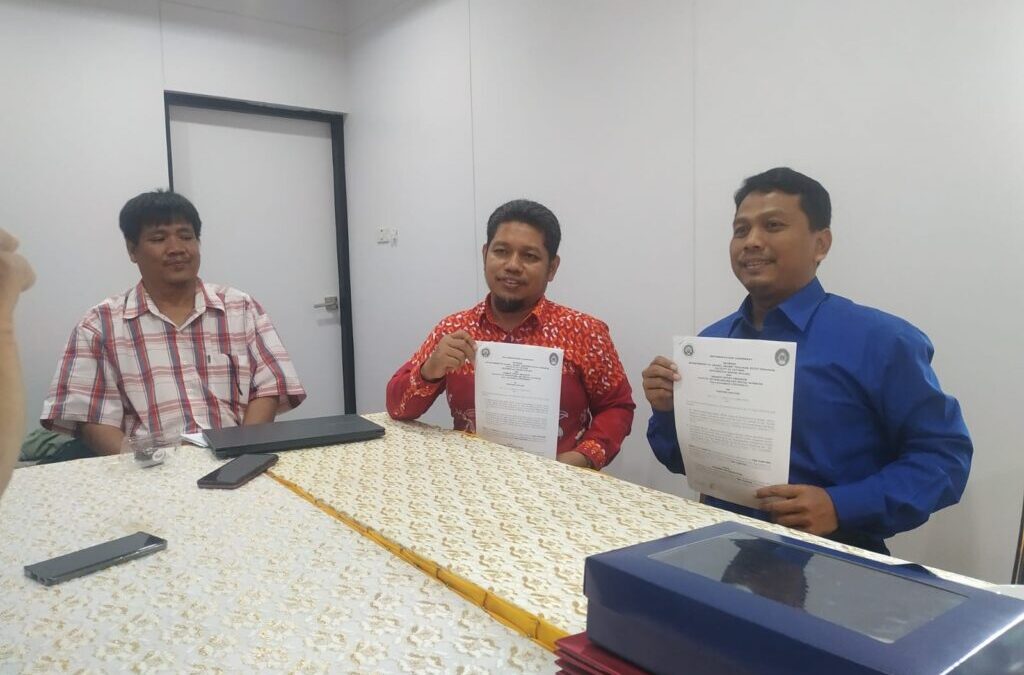
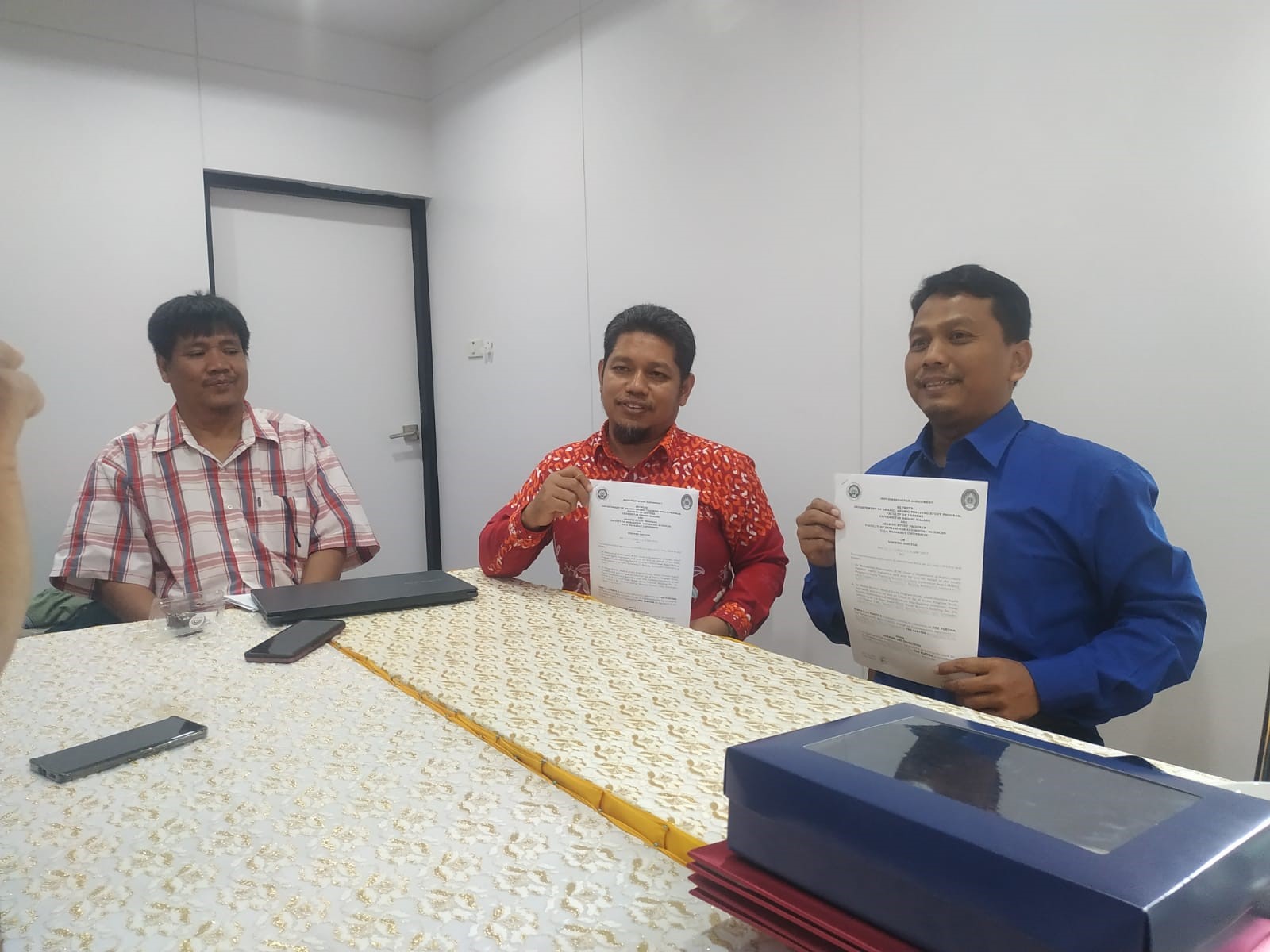
Amidst a global landscape where communication defies geographical boundaries, the imperative of language education has never been more pronounced. Fueled by a deep-seated acknowledgment of the significance of Arabic language mastery, the State University of Malang strides forward with a visionary research endeavor that seeks to elevate the listening and speaking acumen of fifth-grade students. This research was led by Dr. Mohammad Ahsanuddin, M.Pd., with Nilla Shefia as the member. Teaming up with Romyi Morhi of Yala Rajabhat University, this pioneering initiative stands poised to reimagine Arabic language education through the transformative power of interactive learning media.
The project’s innovative approach involves the use of Lectora Inspire and Plotagon Story, cutting-edge tools that transform traditional language learning into an engaging and interactive experience. By integrating technology into the curriculum, the research team seeks to foster a deeper understanding of the Arabic language, making it more accessible and enjoyable for young learners.
The collaboration with Romyi Morhi from Yala Rajabhat University adds an international dimension to this research. His expertise in language education and his connection to a prominent Thai university will provide valuable insights and contribute to the project’s success.
This research initiative aligns with the global Sustainable Development Goal (SDG) of “Quality Education.” By enhancing language education through interactive media, we are not only improving the quality of education but also promoting lifelong learning opportunities. The compatibility of this program with the SDG of Quality Education is clear. In a globalized world, language proficiency is essential for personal development, social integration, and economic advancement. By focusing on Arabic language skills, we are contributing to a more inclusive and connected global community.
The expected outcomes of this research are transformative. The integration of Lectora Inspire and Plotagon Story into the Arabic language curriculum will create a dynamic learning environment that caters to different learning styles. It will also promote cultural awareness, as students engage with authentic Arabic texts and contexts. The collaboration with Yala Rajabhat University further emphasizes the international relevance of this project, bridging gaps between cultures and fostering global understanding.
In conclusion, our collaboration with Yala Rajabhat University and the focus on interactive media represents a significant step in our commitment to quality education. Together, we are reimagining language education, making it more engaging, effective, and aligned with the needs of the 21st century. We invite the campus community, stakeholders, and all interested parties to engage with and support this innovative project.
Universitas Negeri Malang (UM) is proud to announce a pioneering research project that aims to enhance English as a Foreign Language (EFL) students’ communicative performance. This research team is led by Prof. Drs. Bambang Yudi Cahyono, M.Pd, M.A., Ph.D., a researcher namely Prof. Dr. Nur Mukminatien, M.Pd, a student from our university namely Oktavia Widastuti, and an assistant Nadia Galis Cahya Anugrah. This initiative, conducted in collaboration with Prof. Greg Kessler from Ohio University, leverages technology-enhanced speaking tasks to connect students with an authentic online audience.
Language is more than a tool for communication; it’s a bridge that connects cultures, ideas, and people. The ability to communicate effectively in English opens doors to global opportunities and fosters cross-cultural understanding. Recognizing this, UM has embarked on a research journey to explore innovative ways to improve EFL students’ speaking skills.
The collaboration with Prof. Greg Kessler from Ohio University adds a global perspective to this research. His expertise in technology-enhanced language learning will guide the project, ensuring that the speaking tasks are not only engaging but also effective in achieving the desired learning outcomes.
This research initiative aligns with the global Sustainable Development Goal (SDG) of “Quality Education.” By utilizing technology to enhance language learning, we are democratizing education, making it accessible and engaging for all. The use of authentic online audiences adds a real-world dimension to the learning experience, preparing students for the global stage.
The compatibility of this program with the SDG of Quality Education is profound. Education is not merely about acquiring knowledge; it’s about empowering individuals to communicate, collaborate, and contribute to society. By enhancing EFL students’ communicative performance, we are nurturing global citizens who can navigate the complexities of our interconnected world.
The expected outcomes of this research are transformative. The technology-enhanced speaking tasks will not only improve students’ English proficiency but also foster critical thinking, creativity, and collaboration. The insights gained from this study will inform future educational practices, setting a new standard for technology-driven language learning.
In conclusion, our collaboration with Ohio University and the focus on technology-enhanced speaking tasks represents a visionary step in our commitment to quality education. Together, we are bridging communication gaps, creating connections, and shaping a more inclusive, engaged learning community. We invite the campus community, stakeholders, and all interested parties to engage with and support this innovative project.
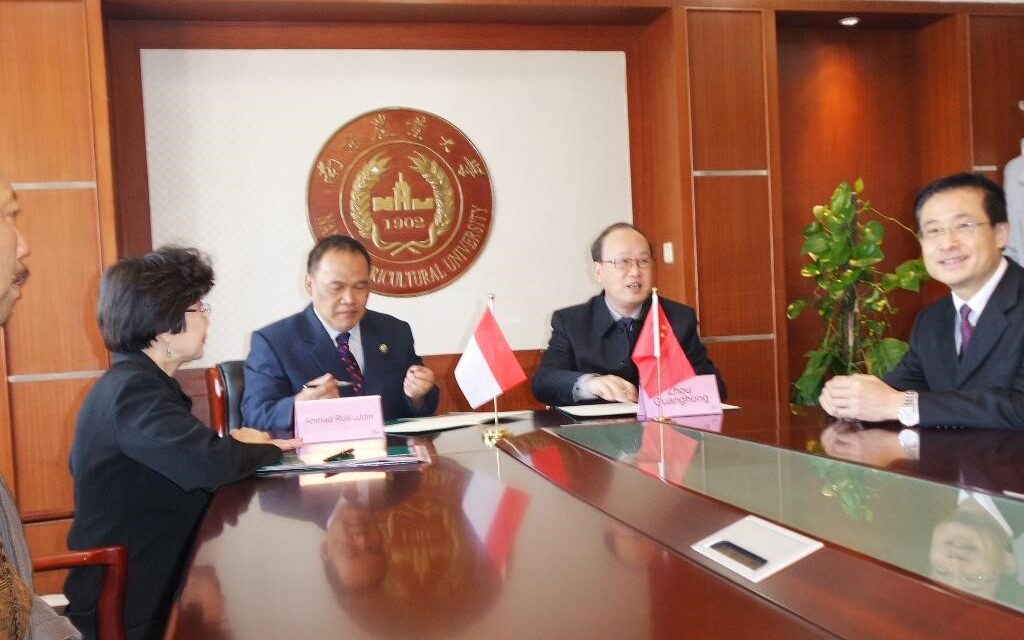
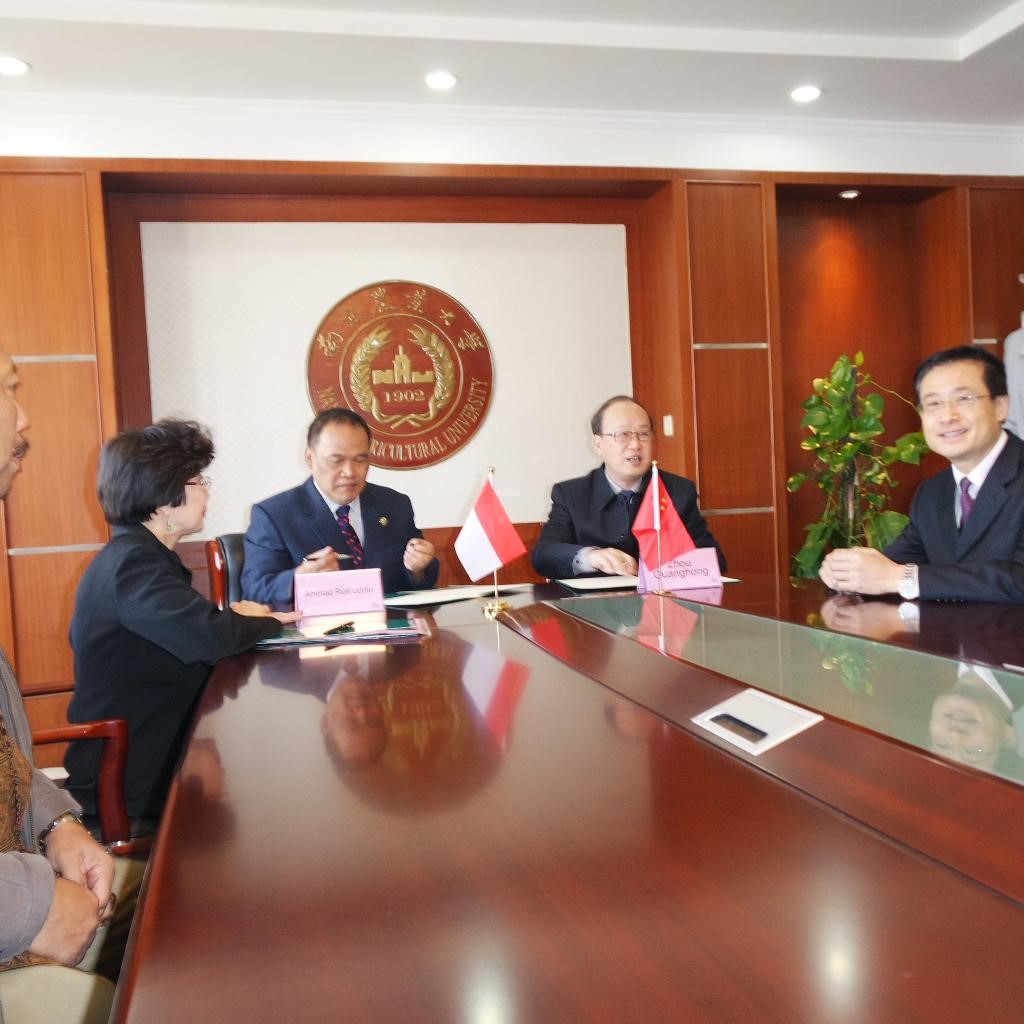
In an era where critical and creative thinking skills are paramount, Universitas Negeri Malang is leading a groundbreaking research project aimed at transforming Indonesian language education in high schools. This research team is led by Prof. Dr. Ahmad Rofi’udin , M.Pd., with three researchers namely Dr. Gatut Susanto, M.Pd., Dr. Didin Widyartono, M.Pd., Helmi Muzaki, M.Pd., a student from our university namely Nova Shufia T, and an assistant namely Fajerin Nur Syafitri. This initiative, conducted in collaboration with David Pickus, a foreign researcher from Zhejiang University, seeks to develop a model that fosters critical and creative thinking through the teaching of the Indonesian language.
The project’s innovative approach recognizes the power of language as a tool for cognitive development. By integrating critical and creative thinking into the Indonesian language curriculum, the research team aims to provide students with the skills they need to navigate the complex challenges of the 21st century.
The collaboration with David Pickus from Zhejiang University adds a global perspective to this research. His expertise in language education and his connection to a prestigious Chinese university will provide valuable insights and contribute to the project’s success.
This research initiative aligns with the global Sustainable Development Goal (SDG) of “Quality Education.” By enhancing language education through a focus on critical and creative thinking, we are not only improving the quality of education but also empowering students to become active and responsible global citizens. The compatibility of this program with the SDG of Quality Education is evident. In a rapidly changing world, the ability to think critically and creatively is essential for personal growth, social engagement, and economic prosperity.
The expected outcomes of this research are transformative. The development of a model that integrates critical and creative thinking into the Indonesian language curriculum will create a dynamic and engaging learning environment. It will also promote cultural awareness and national identity, as students engage with the rich and diverse heritage of the Indonesian language. The collaboration with Zhejiang University further emphasizes the international relevance of this project, bridging cultural gaps and fostering global collaboration.
In conclusion, our collaboration with Zhejiang University and the focus on critical and creative thinking represents a significant advancement in our commitment to quality education. Together, we are redefining language education, making it more relevant, effective, and aligned with the needs of today’s world. We invite the campus community, stakeholders, and all interested parties to engage with and support this pioneering project.






 English
  Indonesian